
Bleeding heart
Lamprocapnos spectabilis (L.) Fukuhara
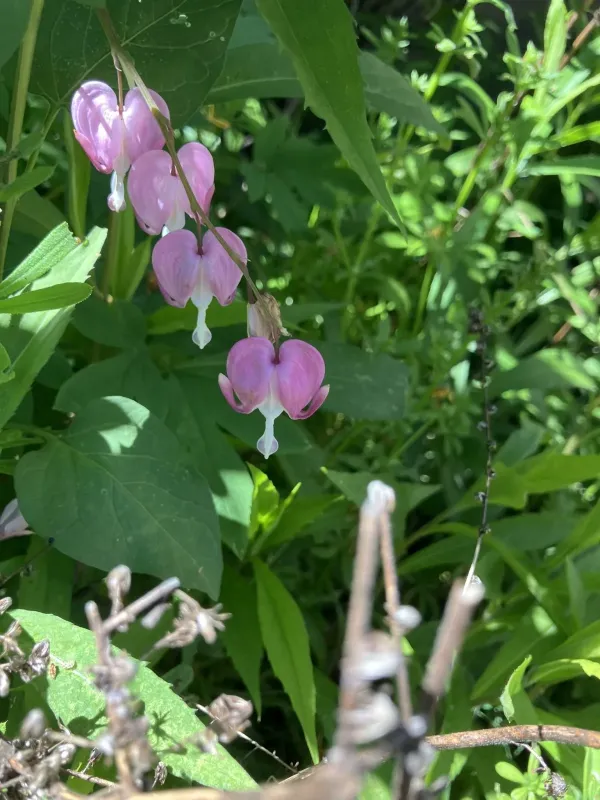
Description
Growing requirements
Bleeding heart (Lamprocapnos spectabilis) is a perennial ornamental plant belonging to the Papaveraceae family, widely recognized for its iconic heart-shaped flowers that appear in late spring.
The plant originates from East Asia, specifically from regions in China and the Korean Peninsula, where it typically grows in cool, moist, and forested habitats that provide natural shelter from heat.
In cultivation, it requires a site with partial to full shade, as intense sunlight can scorch the foliage and cause the plant to enter dormancy prematurely during the summer months.
The ideal growing medium for this culture is deep, well-draining, and humus-rich soil that remains consistently moist but not waterlogged, as it is highly sensitive to root asphyxiation.
Agricultural management includes regular mulching around the base of the plant to retain moisture and temperature stability, which is crucial for maintaining a healthy root system in variable climates.
Main diseases and pests
The most common disease impacting the crop is Verticillium wilt, a soil-borne fungal infection that causes wilting and eventual death of the affected stems if the soil conditions are compromised.
Root rot represents a significant threat, primarily occurring in heavy or poorly drained soils, which necessitates careful site selection and the potential implementation of raised beds for better drainage.
Pests such as aphids often colonize the succulent stems and leaves, extracting nutrients and causing secondary issues like the spread of viruses or the development of sooty mold.
Slugs and snails can also cause substantial aesthetic damage to the foliage during the early spring growth period, particularly in gardens with high mulch layers and damp microclimates.
To mitigate these risks, it is essential to maintain proper spacing between individual plants to promote airflow, perform regular weeding, and apply appropriate treatments if pest populations exceed economic thresholds.