
Artocarpus lanceifolius
Artocarpus lanceifolius
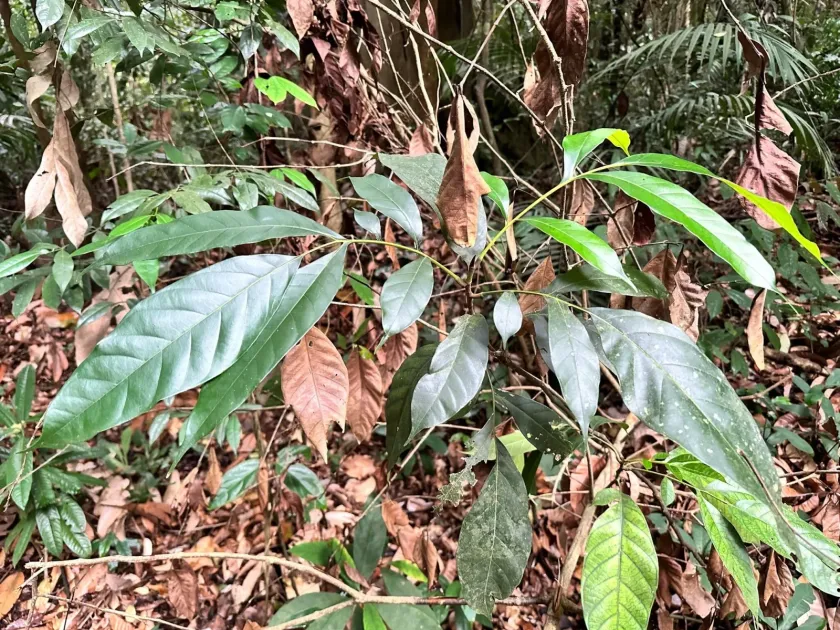
Description
Growing requirements
Artocarpus lanceifolius is a notable species within the Moraceae family, native to the tropical rainforests of Southeast Asia. This evergreen tree is prized for its delicious fruits and durable wood, functioning as an important multi-purpose crop in its regional distribution range.
The cultivation of this species strictly requires a tropical climate characterized by consistently high temperatures throughout the year. The plant lacks cold tolerance and requires protection from any temperature drops, as frost can be immediately lethal to young specimens.
Sufficient precipitation and high ambient humidity are essential for optimal plant metabolism. In its native habitat, the species thrives in areas with high rainfall, which sustains the continuous vegetative growth and the development of its characteristic leathery leaves.
Soil requirements focus on fertility and excellent drainage. While the plant appreciates rich, organic-heavy soil, it is highly susceptible to root decay if the substrate becomes waterlogged, necessitating careful site selection and preparation.
Agricultural management involves ensuring adequate space for canopy development, as the tree grows to a significant size. Regular monitoring of the soil moisture and nutritional status ensures the long-term health and productivity of the orchard.
Yield
The primary agricultural output of Artocarpus lanceifolius is its edible fruit, which is valued for its sweet pulp. The fruits are traditionally harvested for local consumption and markets, serving as a reliable food source in rural tropical economies.
In addition to the pulp, the seeds of the plant are edible after roasting or boiling. This secondary product adds to the nutritional security of local farmers, as seeds can be stored longer than fresh fruits under tropical conditions.
The wood quality is another significant factor in the crop's economic utility. It is often used for high-quality timber in construction and cabinetry, providing a secondary income stream for farmers who integrate these trees into agroforestry systems.
Yield stability is achieved through proper maintenance, including strategic pruning to ensure air circulation within the canopy. Consistent yields are a result of balancing nutrient availability with the tree's natural growth cycle.
The inclusion of this species in diverse farming systems promotes ecosystem resilience. Its ability to provide both food and industrial materials makes it a cornerstone of sustainable tropical land-use practices.
Main diseases and pests
Fungal pathogens represent the most significant threat to Artocarpus plantations, particularly in areas with excessive rainfall. Root rot and leaf spot diseases can severely impact productivity if not managed through proper drainage and spacing.
Fruit flies and various sap-sucking insects pose a constant risk to harvests. Integrated pest management strategies, focusing on biological controls and orchard hygiene, are preferred to maintain the quality of the fruit produced.
Nematodes are a subterranean threat that can compromise root health, leading to stunted tree growth. Implementing cover crops or soil management practices that suppress nematode populations is essential for long-term plantation success.
Mechanical damage from severe tropical storms can weaken the tree structure. Preventive measures such as regular sanitary pruning and the installation of windbreaks help reduce the risk of structural failure during extreme weather events.
Effective management requires regular inspections of the tree foliage and root collars. Early detection of symptoms allows for localized interventions, which are often more successful than reactive treatments in a tropical field setting.