
Artemisia keiskeana
Artemisia keiskeana
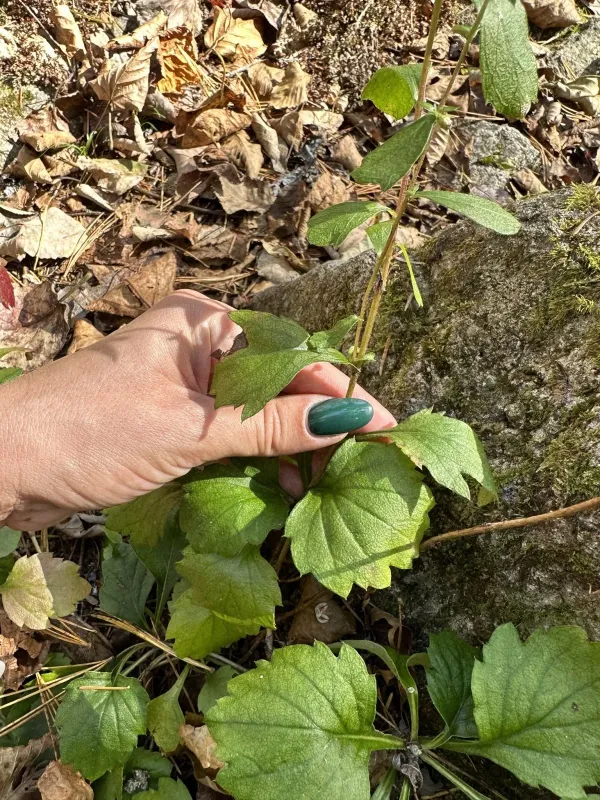
Description
Sowing dates
Sowing Artemisia keiskeana seeds should be performed in early spring once the soil temperature consistently reaches 8–10 degrees Celsius. The seeds require a stratification period of 30 to 45 days in cold conditions to ensure uniform germination.
When sowing in the field, place the seeds at a shallow depth of 0.5 to 1 centimeter. Because the seeds are extremely small, light compaction of the soil surface after sowing is necessary to ensure adequate moisture uptake.
Starting with seedlings in a greenhouse is a more reliable method for commercial production. Seedlings should be grown for 6–8 weeks before being transplanted into the prepared soil once the danger of frost has passed.
The spacing between rows should be maintained at 45–60 centimeters to accommodate the bushy growth habit of the plant. This distance also facilitates mechanical weed control and proper air circulation.
Choose fields that have been clear of weeds in previous seasons, as young Artemisia plants are sensitive to competition. Proper soil preparation prior to sowing is essential for deep root establishment.
Growing requirements
Artemisia keiskeana is a photophilous plant that requires full sunlight for optimal development. Exposure to shade can significantly reduce the biosynthesis of essential oils and terpenoids in the foliage.
The crop thrives in light, well-drained loamy or sandy soils. It is highly intolerant of waterlogged conditions, making well-drained sites mandatory for successful cultivation across large areas.
While the plant is known for its drought resistance, irrigation is recommended during the vegetative growth phase to maximize biomass production. Controlled drip irrigation is the most efficient method for this purpose.
The species prefers neutral to slightly alkaline soil conditions. If the soil pH is too low, agricultural lime should be applied during the preparation stage to achieve the required range.
Belonging to the Asteraceae family, it is a hardy perennial. Maintaining healthy soil structure through organic amendments can help the root systems survive harsh winters and provide vigorous growth in the following season.
Main diseases and pests
The most common threats to Artemisia keiskeana include root rot, which typically occurs in soils with poor drainage or during prolonged periods of heavy rainfall. Ensuring proper field leveling is the best defense.
Aphids are the primary insect pests that can infest the tender shoots during the early stages of development. Regular field scouting is necessary to catch and treat outbreaks before they cause significant leaf damage.
Fungal diseases such as powdery mildew can occasionally appear in areas with high humidity and poor ventilation. Keeping row spacing wide enough to promote airflow is a critical preventative measure.
Weed competition is a significant threat in the first year of establishment. Mechanical cultivation or manual weeding is vital to ensure the young plants are not choked by faster-growing local weeds.
Maintaining crop vigor through balanced nutrient management reduces susceptibility to stress-induced pests. A healthy plant will demonstrate high natural resistance to many common agricultural diseases.
Harvesting
The primary harvest time is during the period of full bloom, which is when the concentration of essential active compounds reaches its peak. Harvesting should be performed on a dry day to prevent moisture-related quality loss.
Plants should be cut at a height of 10–15 centimeters above the ground. Harvesting too low can damage the perennial rootstock and negatively impact the survival and growth of the plant in the following season.
Immediately after cutting, the material should be transported to a drying facility. Using well-ventilated drying sheds at temperatures below 40 degrees Celsius preserves the delicate volatile oils.
For industrial essential oil extraction, the biomass is processed immediately via steam distillation. Minimizing the time between harvesting and processing is critical for maintaining high product purity.
After the final harvest of the season, field cleanup is essential. Removing debris and weeds prevents the buildup of pathogens and helps the plants enter dormancy under clean and manageable field conditions.