
Artedia squamata
Artedia squamata
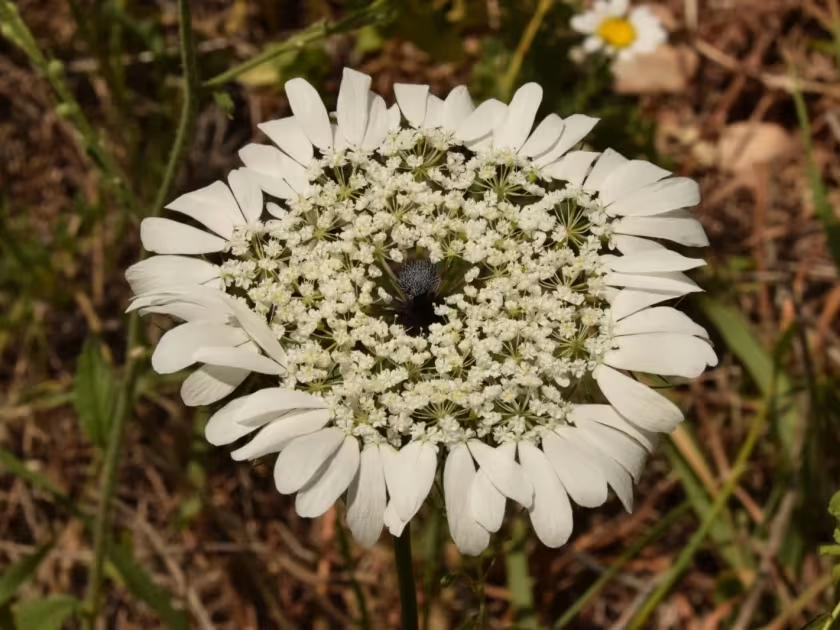
Description
Sowing dates
Artedia squamata is an annual herbaceous plant that requires careful timing for its sowing phase. The spring period is most appropriate for planting when the soil has reached an optimal temperature for germination.
Seeds should be sown in rows at a depth that ensures stable conditions for the emerging seedlings. Maintaining the correct density during planting is vital to minimize competition and ensure uniform development of the crop.
Soil preparation involves deep loosening and fertilization, which creates a healthy environment for the plants to thrive. Using high-quality seeds is the first step toward achieving a successful harvest.
The optimal germination temperature is around 10-12 degrees Celsius, allowing farmers to start work early in the season. Regular moisture levels during the early stages stimulate strong root system establishment.
Weed control during the early stages is essential, as the seedlings of Artedia squamata are delicate and can be easily suppressed by fast-growing weeds in the surrounding area.
Growing requirements
Belonging to the Apiaceae family, this crop prefers well-lit areas with fertile, well-draining soil. Sunlight is a crucial factor that directly influences the size and quality of the inflorescences.
The crop is sensitive to soil pH levels and performs best in neutral to slightly alkaline soils. Maintaining a balanced pH ensures that the plants can effectively absorb necessary nutrients for robust growth.
Water management must be moderate; both excessive humidity and prolonged drought negatively affect vegetative development. Drip irrigation systems are highly recommended for optimal water distribution.
Soil aeration is achieved through regular cultivation between the rows, which is particularly necessary in heavier clay-based soils to prevent compaction. This practice improves oxygen flow to the root zone.
Fertilization should prioritize potassium and phosphorus, which strengthen the plant's stems and enhance its resistance to external stressors and adverse weather conditions.
Main diseases and pests
The primary threats to Artedia squamata are fungal diseases that thrive in high-humidity conditions. Proper ventilation and maintaining appropriate planting density are effective ways to mitigate these risks.
Insect pests, particularly aphids, frequently target the leaves and flower buds. Utilizing biological pest control methods is a sustainable approach to protecting the crop without damaging the ecosystem.
Root rot often occurs as a result of improper irrigation, especially during cool weather periods. Maintaining good soil drainage and avoiding water stagnation is critical for plant longevity.
Viral infections, often spread by insect vectors, require constant monitoring of the field. Diseased plants should be removed immediately to prevent the spread of the infection to the rest of the crop.
Integrated pest management, including crop rotation and the strategic use of fungicides, is essential for maintaining the health of the population throughout the growing cycle.