
Ringless honey fungus
Armillaria gallica Marxm. & Romagn.
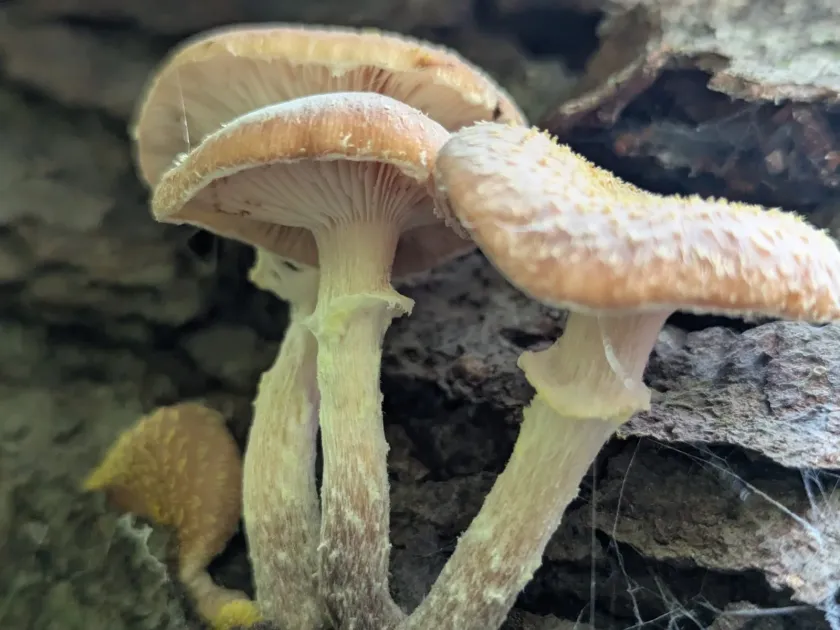
Description
Sowing dates
The Ringless honey fungus, belonging to the Physalacriaceae family, is a saprotrophic and parasitic species that requires specific woody substrates for inoculation. In commercial practice, the fungus is introduced to fresh hardwood logs or stumps.
Inoculation involves drilling holes into the wood and filling them with grain-based mycelium. These holes are then sealed with wax or paraffin to maintain moisture and prevent contamination by airborne pathogens during the initial colonization phase.
For intensive indoor farming, substrate blocks composed of sawdust and various supplements are used. Sterile laboratory conditions are required during the mixing and bagging process to prevent competitive molds from overtaking the growth medium.
The incubation period for the mycelium to fully colonize the substrate ranges from three to six months, depending on ambient temperatures. Maintaining a constant internal moisture level of the substrate is vital for healthy fungal development.
The optimal time for establishing a mushroom patch is in the spring, once the danger of hard frost has passed, allowing the mycelium to establish itself during the warmer growing season.
##requirements##This mushroom thrives in a cool, humid environment with high air moisture levels, ideally between 80% and 85%. Artificial misting systems are often employed in commercial setups to achieve these specific parameters.
Diffuse, indirect light is essential for the transition from the vegetative growth phase to the formation of fruiting bodies. Excessive direct sunlight should be avoided as it leads to rapid dehydration of the mushrooms.
Temperature control is crucial; the mycelium prefers ranges between 15°C and 22°C for colonization, while cooler temperatures between 12°C and 16°C are necessary to trigger the appearance of primordia.
Good ventilation is required to keep carbon dioxide levels low, which promotes proper cap formation and prevents the mushrooms from becoming spindly or deformed.
The choice of wood is paramount for productivity. Hardwoods such as oak, beech, and birch provide the necessary chemical structure for the fungus to extract nutrients over several years of harvest.
Yield
Productivity is closely linked to the quality of the substrate and the density of the mycelial inoculation. When grown on stumps or logs, the culture can remain productive for several consecutive years.
Intensive block cultivation allows for organized flushes of mushrooms. A well-managed cycle can yield a significant volume of harvestable fruiting bodies within a very short timeframe.
Monitoring the moisture content of the substrate is key; periodic watering or soaking of the blocks can stimulate additional waves of fruiting after the initial harvest has been completed.
Biological efficiency rates for this species vary, but experienced growers can expect substantial yields that justify the investment in quality spawn and specialized growing equipment.
Strategic management of the growing environment allows producers to maximize the biological output per unit of space, making this species a viable option for diversified fungi farming.
Main diseases and pests
The primary biological threat to cultivation is the contamination of the substrate by the green mold Trichoderma. Proper sanitation protocols for tools and work areas are essential to prevent this disaster.
Mushroom flies and mites are the most common pests that affect the crop. Integrated pest management using biological controls is recommended to ensure the harvested product remains food-safe.
Bacterial blotch, resulting from poor air circulation and excessive surface water, can ruin the appearance of the caps. Proper ventilation and humidity management are the best preventative measures.
Snails and slugs can be problematic for outdoor plantations. Physical barriers such as crushed eggshells or gravel borders are often used to discourage these pests from reaching the fruiting bodies.
Regular inspections are necessary to identify any signs of competing fungal species that might try to colonize the wood, ensuring the Ringless honey fungus maintains dominance in its substrate.
Harvesting
Harvesting should occur while the mushrooms are still in the tight-cap stage, as this ensures the best texture, flavor, and shelf life for the commercial market.
Mushrooms are harvested by cutting them cleanly at the base, taking care not to disturb the surrounding mycelium or leave organic debris behind that could lead to subsequent decay.
Post-harvest hygiene involves cleaning the surface of the growing medium of all stump remnants, which helps prevent pest attraction and promotes a cleaner environment for the next growth flush.
Once harvested, mushrooms should be sorted by size and condition immediately. The firm flesh of this species allows it to withstand transport better than many other delicate woodland varieties.
Proper storage is essential; cooling the harvested mushrooms quickly to a temperature of 2°C to 4°C preserves their freshness and visual appeal, significantly reducing the likelihood of quality loss during shipping.