
Ariopsis peltata
Ariopsis peltata
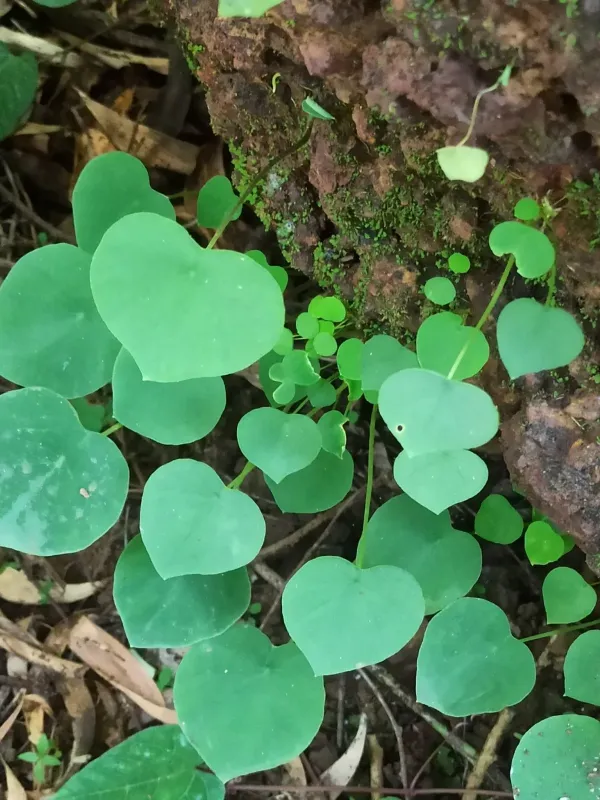
Description
Growing requirements
Ariopsis peltata is a unique tuberous species belonging to the Araceae family. Native to the tropical regions of India, it thrives in environments that mimic seasonal monsoon patterns with distinct wet and dry cycles.
The plant requires a specialized growing environment with partial shade to prevent leaf scorch. High ambient humidity is crucial for the healthy development of its shield-shaped foliage throughout the growing season.
Soil requirements focus on high organic content and excellent drainage. A mix comprising peat, perlite, and coarse sand is typically ideal to ensure that the delicate tuber does not rot due to waterlogging.
Temperature management is vital, as Ariopsis peltata prefers warm conditions ranging from 20 to 30 degrees Celsius. Sudden temperature drops can induce premature dormancy, affecting the plant's seasonal cycle.
Botanically, the species is characterized by its small, cryptic inflorescence and tuberous storage organ. It represents a specialized niche in ornamental or collector-focused horticulture rather than large-scale commodity agriculture.
Main diseases and pests
Root rot is the most significant threat to the survival of Ariopsis peltata. It is primarily caused by over-watering during the dormancy phase or planting in soils with inadequate drainage properties.
Spider mites pose a significant risk in controlled greenhouse environments, especially if the air humidity levels are not maintained. These pests quickly damage leaves, leading to reduced photosynthetic capacity.
Mealybugs are known to infest the base of the petioles, secreting honeydew that encourages secondary fungal growth. Manual removal and targeted systemic pesticides are standard control measures.
Fungal leaf spots can occur when air circulation is poor, particularly in crowded planting scenarios. Maintaining a balance between humidity and ventilation is the key to preventing such outbreaks.
Nematode infestations in the tuberous root system can cause stunted growth and yellowing of foliage. Prevention through the use of pasteurized or sterile soil media is highly recommended for commercial growers.