
Argomuellera macrophylla
Argomuellera macrophylla
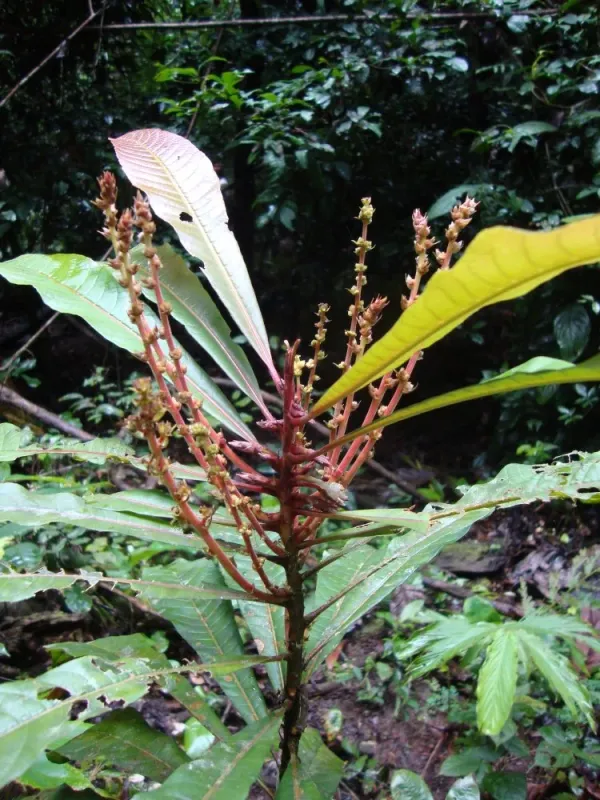
Description
Growing requirements
Argomuellera macrophylla is a notable species within the Euphorbiaceae family, recognized for its role in the understory of African lowland rainforests.
The plant typically grows as a robust shrub or small tree, characterized by its wide, broad leaves that are well-adapted to surviving in deep shade conditions beneath the forest canopy.
Environmental requirements for this species include high ambient humidity and consistently warm temperatures, generally ranging between 22 and 28 degrees Celsius throughout the year.
The soil preference centers on rich, organic-heavy, well-draining substrates that mimic the natural environment of the forest floor, preventing waterlogging while retaining nutrients.
It is sensitive to climate fluctuations; therefore, it thrives primarily in tropical biomes where the humidity levels prevent the dehydration of its wide leaf structures.
Harvesting
In terms of economic and practical application, Argomuellera macrophylla is primarily known for its medicinal utility in traditional practices across tropical Africa.
Both the bark and the leaves are frequently harvested for their anti-inflammatory and antimicrobial properties, often processed into pastes or decoctions for skin treatments.
Harvesting techniques require careful management to ensure the sustainability of wild populations, as the plant grows relatively slowly in its natural shady habitat.
The raw botanical material must be dried properly to ensure the stability of the active phytochemical compounds, which are the main focus of current ethnopharmacological interest.
Ongoing research aims to evaluate the potential for more widespread utilization of the plant's secondary metabolites in the production of natural dermatological products.