
Archidium alternifolium
Archidium alternifolium
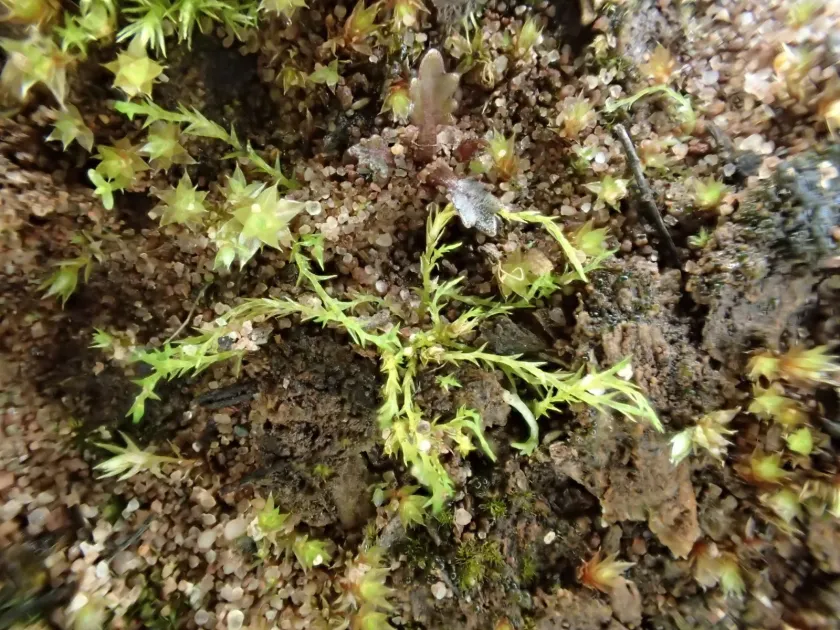
Description
Growing requirements
Archidium alternifolium is a distinctive moss belonging to the Archidiaceae family. It is recognized by botanists for its unique reproductive structures, where spores are formed within a capsule that lacks a sophisticated seta, setting it apart from more advanced bryophytes.
The species is native to temperate zones across Europe and North America. It typically thrives in open, moist, and relatively undisturbed soil habitats, often colonizing bare patches of ground where competition from higher vascular plants is naturally suppressed.
Biologically, the plant is minute and often transient. It relies on specific micro-climatic conditions, preferring sites that remain damp throughout the developmental stage of its life cycle, which usually occurs during cooler, wetter periods of the year.
Soil requirements involve a preference for well-drained but moist substrates. The plant is sensitive to changes in soil chemistry and prefers environments that are not overly enriched with synthetic fertilizers, making it a potential indicator of pristine or low-input soil conditions.
In terms of ecological utility, Archidium alternifolium serves as an important component of biological crusts. These crusts help stabilize soil surfaces against erosion and contribute to the overall moisture retention and nutrient cycling in micro-habitats where it resides.
Main diseases and pests
Major threats to the species include habitat destruction due to land development and intensive agricultural tillage practices. Soil compaction and chemical runoff from conventional farming systems can also significantly degrade the localized environments necessary for its survival.