
Arbelaezaster ellsworthii
Arbelaezaster ellsworthii
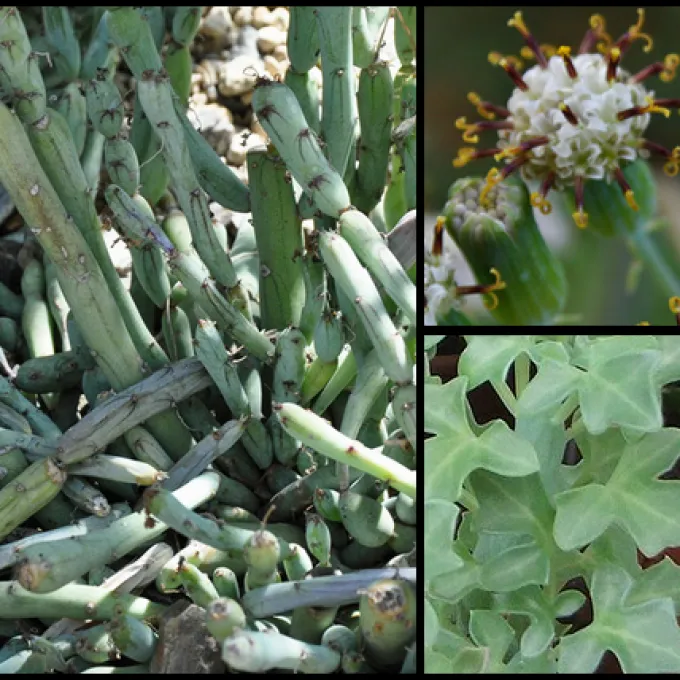
Description
Sowing dates
Arbelaezaster ellsworthii, a member of the Asteraceae family, is a distinctive perennial plant that requires careful preparation for successful cultivation.
The optimal sowing period begins when soil temperatures consistently reach 12-15 degrees Celsius, typically occurring during mid-spring.
Due to the physiological dormancy of the seeds, a stratification period of 30-45 days in cool, moist conditions is recommended to improve germination rates.
Seeds should be sown in rows with a spacing of approximately 45 centimeters to ensure each plant receives adequate light and airflow during growth.
Placement depth should be shallow, between 1.5 and 2 centimeters, as deeper planting inhibits the germination process and reduces overall seedling vigor.
Growing requirements
This crop thrives best in well-drained, loose loamy soils that possess a neutral pH and are rich in organic matter and essential humus.
Waterlogging must be strictly avoided; therefore, maintaining an efficient drainage system is a mandatory prerequisite for selecting a planting site.
The plant requires full sun exposure to reach its maximum productivity; partial shading can result in stunted growth and increased susceptibility to disease.
Optimal development occurs in temperatures ranging from 18 to 25 degrees Celsius, with the plant showing moderate tolerance to minor temperature fluctuations.
Balanced fertilization utilizing phosphorus and potassium is essential to bolster the root system and improve the mechanical strength of the stems.
Yield
The yield of Arbelaezaster ellsworthii is directly linked to diligent management practices, including consistent moisture control and proper soil aeration.
High biomass production is achievable when nutrients are managed correctly and competing weeds are controlled throughout the early stages of growth.
Peak yields are typically observed during the second or third year of vegetation, once the plant has fully established its complex root architecture.
Harvest timing is critical and should occur during the full flowering phase when the concentration of essential compounds is at its highest level.
Implementing a crop rotation strategy helps maintain soil fertility levels, ensuring the plant remains productive over multiple growing seasons.
Main diseases and pests
Slugs and snails are the primary pests affecting young seedlings, potentially causing significant foliage loss if not managed with timely control measures.
Powdery mildew represents a frequent threat in high-humidity conditions, necessitating the preventative use of approved fungicides to protect crop health.
Aphid infestations on the upper shoots can damage the plant's development and facilitate the transmission of viral diseases across the plantation.
Root rot is primarily induced by improper watering schedules and excessive soil moisture, which necessitates a strict focus on irrigation precision.
Integrated pest management, including regular weeding and habitat monitoring, is the most effective approach to reducing pathogen pressure in the field.
Harvesting
Harvesting should be conducted during the morning, once the dew has evaporated, to ensure the plant material is dry before processing begins.
Specialized mechanical harvesting equipment is recommended to maximize efficiency and minimize the physical damage to the plant's structural components.
Immediate post-harvest processing is required, involving drying in a well-ventilated, shaded environment to preserve the quality of the raw material.
Ensuring the harvested product is free from soil and weed contaminants is essential for meeting the quality standards required for agricultural trade.
Properly stored materials should be kept in a cool, dark location with controlled humidity levels to prevent degradation during the storage period.