
Norfolk Island pine
Araucaria heterophylla
Description
Growing requirements
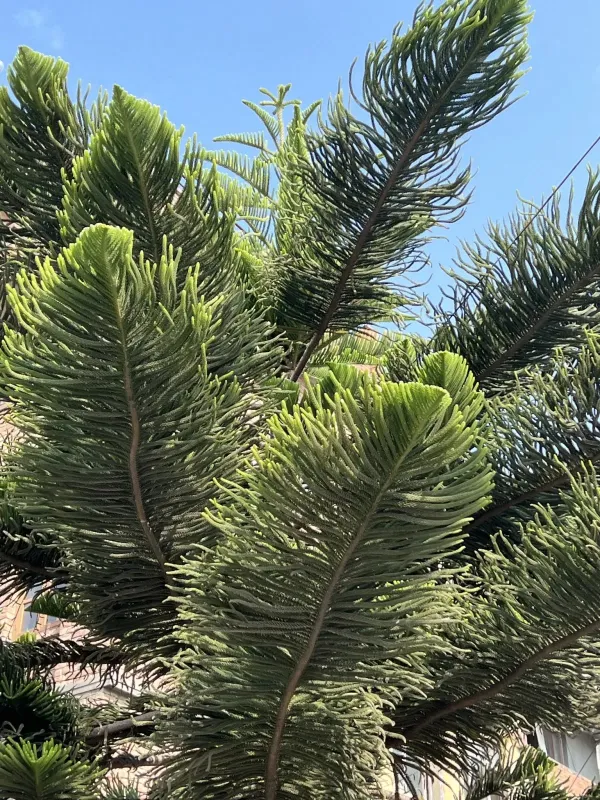
Norfolk Island pine (Araucaria heterophylla) is a distinctive member of the Araucariaceae family, prized for its symmetrical, tiered branching habit. While in its native Norfolk Island habitat it grows into a massive tree, it is globally managed as a popular ornamental indoor plant.
To cultivate this species successfully, growers must prioritize a specific climate. It thrives in bright, indirect light and requires temperatures that remain consistently moderate. Exposure to direct noon sunlight should be avoided to prevent foliar scorch, which damages the aesthetic value of the needles.
Soil composition is critical for long-term health. A well-draining, slightly acidic potting medium, typically enriched with organic matter like peat or bark, is essential. The root system is delicate and prone to rot, necessitating a pot with drainage holes and a layer of coarse material at the bottom.
Humidity management is a central pillar of its agro-technology. As a subtropical native, the plant suffers in dry indoor environments; regular misting or the use of humidifiers is necessary to maintain a healthy turgor in the needles and prevent lower branch die-back.
Nutrient requirements are modest during the active growing season. A balanced, water-soluble fertilizer applied at half-strength once every month during spring and summer is sufficient to support healthy foliage production without inducing excessive, leggy growth.
Main diseases and pests
The primary pests affecting Araucaria heterophylla include mealybugs, scale insects, and spider mites. These pests tend to flourish in conditions with poor ventilation or low humidity, often clustering on the underside of branches where they can be difficult to detect during initial stages of infestation.
Root rot and stem blight represent the most significant physiological threats to the Norfolk Island pine. These conditions are almost exclusively caused by overwatering or soil compaction. Treatment involves immediate re-potting in fresh, sterile substrate and the removal of all compromised root material.