
Aquilegia viscosa
Aquilegia viscosa
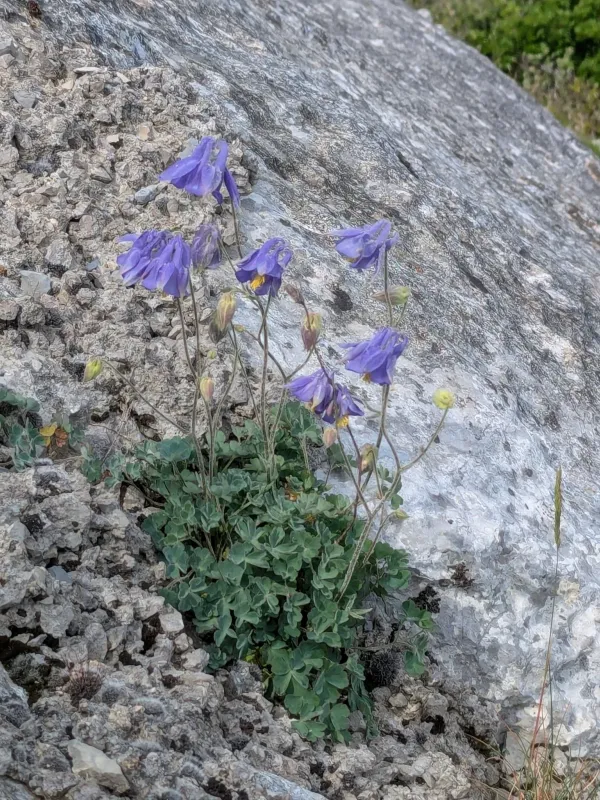
Description
Sowing dates
Sowing seeds of Aquilegia viscosa is most effective when done in late autumn, as the seeds require a period of cold stratification to break dormancy successfully.
For spring planting, it is necessary to subject the seeds to artificial stratification in a cold environment for several weeks before sowing in well-drained soil.
Seeds should be lightly covered with fine soil, as they require some exposure to light to initiate germination and develop healthy seedlings.
Maintaining consistent moisture in the seedbed is crucial during the early stages of growth to prevent the delicate seeds from drying out prematurely.
Proper spacing between seedlings must be maintained once they are moved to nursery beds to ensure adequate air circulation and prevent early overcrowding.
Growing requirements
As a member of the Ranunculaceae family, this species prefers nutrient-rich, moist, yet well-drained soil to thrive throughout its vegetative cycle.
The plant performs best in partially shaded locations, which mimic its natural habitat and protect the delicate foliage from the intense heat of midday sun.
Regular irrigation is essential during dry spells, as the plant's shallow root system is sensitive to prolonged drought and can quickly show signs of stress.
Incorporating organic matter or compost into the soil before planting will improve moisture retention and provide the necessary nutrients for long-term health.
Soil pH should ideally be kept near neutral, as extreme acidity or alkalinity can hinder nutrient uptake and lead to poor flower production.
Main diseases and pests
Spider mites are common pests that thrive in hot and dry conditions, often causing visible damage to the foliage by sucking nutrients from the leaves.
Powdery mildew is a significant fungal threat, especially in humid or stagnant air environments where leaves become covered with a white, dusty layer.
Aphids frequently infest the flower stalks and buds, which can lead to stunted growth and the transmission of viral diseases within the plant cluster.
Rust fungi may affect the plant during excessively wet seasons, necessitating the removal of infected parts to prevent the spread of spores to healthy tissue.
Integrated pest management, including regular inspection and the use of targeted biological controls, is recommended to maintain the plant's overall health.