
Thalictrum-leaved columbine
Aquilegia thalictrifolia
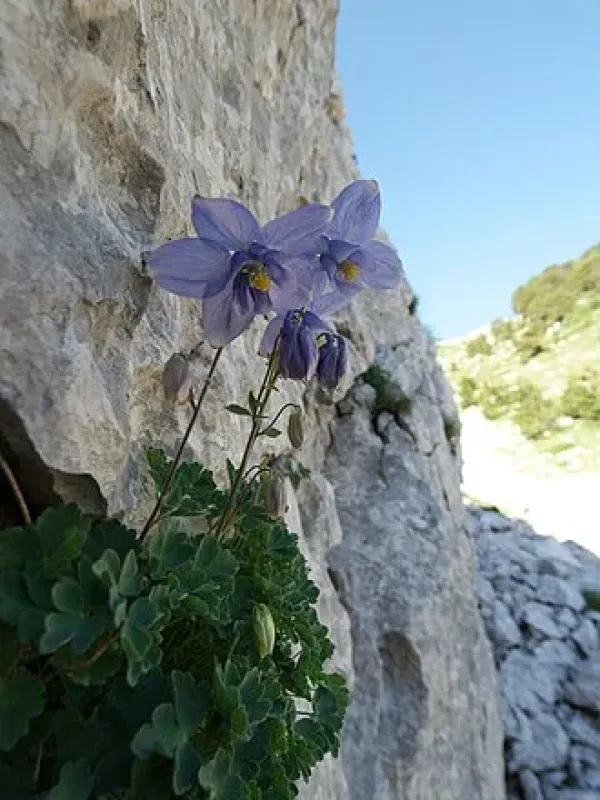
Description
Sowing dates
The seeds of the Thalictrum-leaved columbine are best sown in late autumn directly into the open ground. This allows them to undergo a natural cold stratification process during winter, which significantly improves the germination rate in the following spring.
For spring sowing, seeds must be artificially stratified in a refrigerator at temperatures around +4 degrees Celsius for at least 30 days. This mimics the natural conditions required to break seed dormancy and ensures a higher success rate when moving them into trays.
When starting indoors, use a well-draining seed starting mix and place seeds on the surface, covering them with a very thin layer of vermiculite. Keeping the soil consistently moist but not waterlogged is essential for the initial development of the root system.
Prick out the seedlings once they develop the first set of true leaves, moving them into individual small pots. This stage is critical for developing a strong taproot, which is characteristic of the genus and essential for the plant's long-term survival after transplanting.
Transplant the young plants to their permanent location once the risk of frost has passed. Space them approximately 30 to 40 centimeters apart, ensuring the crown of the plant is at the same level as the surrounding soil to prevent rot.
Growing requirements
This species thrives in light, fertile soils that provide excellent drainage while retaining some moisture. Heavy clay soils should be amended with organic matter like compost or peat moss to improve texture and ensure the plant does not sit in standing water.
While the plant can tolerate full sun in cooler climates, it prefers partial shade in areas with hot summers to maintain vibrant foliage and prolonged blooming. Too much direct heat can cause the plant to enter dormancy prematurely during the mid-summer season.
Consistent watering is necessary throughout the growing season, particularly during dry spells, to support the plant's energy needs. Mulching around the base with organic materials helps to regulate soil temperature and moisture, reducing the need for frequent watering.
Fertilizer application should be moderate, focusing on a balanced, slow-release formula applied in early spring. Avoid excessive nitrogen, which can lead to lush leaf growth at the expense of floral production and can make the plant more susceptible to fungal infections.
The plant is hardy and adapts well to various soil pH levels, provided they remain within the slightly acidic to neutral range. Periodic soil testing can ensure that nutrient levels remain optimal for the healthiest possible growth over several seasons.
Main diseases and pests
Powdery mildew is a common fungal threat that appears as a white dusting on the foliage. To prevent it, ensure proper air circulation between plants and avoid overhead watering that keeps the leaves damp for extended periods in humid conditions.
Grey mold, or Botrytis, can attack the foliage and stems if the plants are overcrowded or if the garden has poor airflow. Removing dead or damaged plant debris promptly helps to keep the environment clean and reduces the presence of fungal spores.
Aphids and spider mites are frequent sap-sucking pests that can cause yellowing and distortion of the leaves. These should be treated with insecticidal soap or neem oil at the first sign of infestation to prevent widespread damage to the garden bed.
Leaf miners can create tunnels within the leaves, which, while usually not lethal to the plant, significantly detract from its ornamental value. If an infestation occurs, picking off the affected leaves is the most effective organic control method available.
Root rot, often caused by poor drainage or overwatering, is the most serious threat to the longevity of the plant. Always prioritize a well-drained soil environment, as this remains the best natural defense against soil-borne pathogens and root complications.