
Skinner's columbine
Aquilegia skinneri
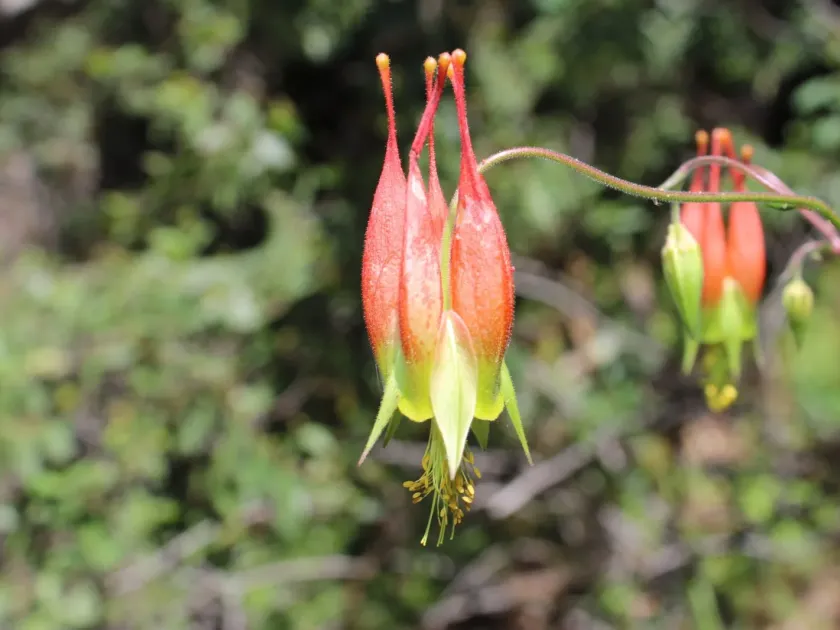
Description
Sowing dates
Sowing Skinner's columbine seeds is most effective during the autumn months, as the seeds require a period of cold stratification to break dormancy and ensure germination.
If you prefer spring sowing, the seeds must be artificially stratified in a refrigerator at temperatures between 2 and 5 degrees Celsius for about a month before planting.
Seeds should be sown in a well-draining soil mix at a shallow depth, as they require light to germinate efficiently; covering them with a very thin layer of soil is sufficient.
Maintain consistent soil moisture after sowing, ensuring the container or bed does not dry out, as young seedlings are extremely sensitive to water stress.
Once seedlings have developed at least two true leaves, they can be transplanted to their permanent location, allowing adequate spacing to ensure good air circulation.
Growing requirements
As a member of the Ranunculaceae family, Skinner's columbine is a delicate perennial that flourishes in environments that mimic its native Mexican mountainous habitats.
The ideal soil for this species is a humus-rich, well-draining substrate with a slightly acidic to neutral pH, which supports robust root development throughout the season.
Plants perform best in partial shade, where they are protected from the harsh afternoon sun that can scorch the foliage and shorten the blooming period.
Watering should be regular and moderate, aimed at keeping the soil moist but never waterlogged, as excessive dampness is a primary cause of root failure.
In terms of maintenance, removing spent flower stalks helps redirect energy into vegetative growth and potential secondary flowering later in the season.
Main diseases and pests
Aphids are common pests for this plant, often clustering on the flower buds and young shoots, which can lead to stunted growth and distortion of flowers.
Powdery mildew represents a significant fungal threat, appearing as a white, dusty layer on the leaves, especially in humid conditions with poor ventilation.
Leaf miners can create characteristic tunnels within the leaves, which, while usually not fatal, significantly reduce the plant's ornamental appeal and overall health.
Root rot, often caused by overwatering or soil compaction, can quickly kill the plant; proper drainage is the most effective preventative measure against this issue.
To control these pests and diseases, it is recommended to practice good garden hygiene by removing dead plant debris and ensuring plants are spaced properly.