
Aquilegia oxysepala
Aquilegia oxysepala
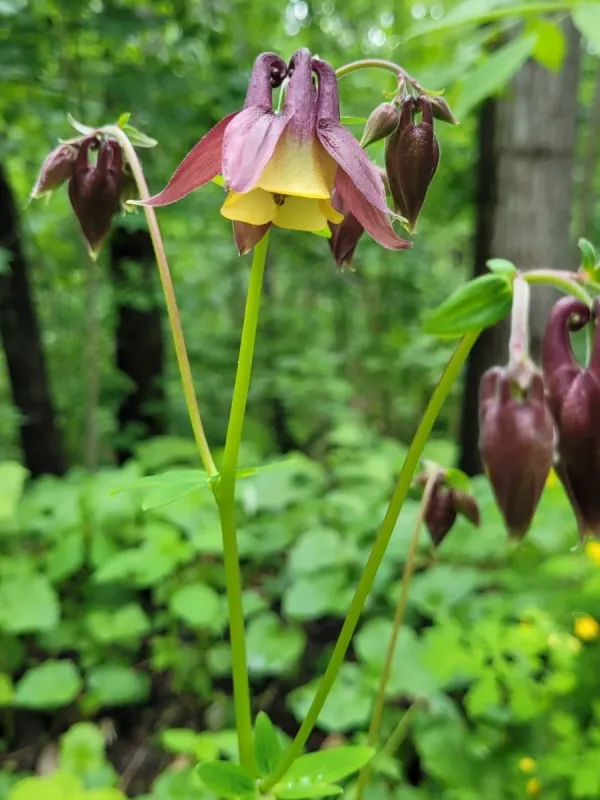
Description
Sowing dates
Aquilegia oxysepala is a perennial herb belonging to the Ranunculaceae family. Successful commercial or garden cultivation begins with understanding the specific seed germination requirements of this species.
Autumn sowing in open ground is often preferred as it allows seeds to undergo natural stratification during winter. This process ensures synchronous and robust germination when the soil temperatures rise in early spring.
If spring sowing is planned, seeds must be pre-chilled in a refrigerator for at least one month. This cold treatment is essential to break dormancy and trigger the biochemical mechanisms required for sprouting.
When starting in containers, seeds should be surface-sown in a light, well-draining substrate. Because they require light for germination, they should not be buried deeply in the soil, and moisture levels must be maintained consistently.
Seedlings should be thinned or transplanted once they reach the two-leaf stage. Adequate spacing is crucial for airflow and disease prevention; a density of 9-12 plants per square meter is considered optimal.
Growing requirements
This species thrives in partial shade, as it is sensitive to intense midday sunlight, which can cause leaf scorch. Locations with filtered light provide the ideal conditions for long-lasting blooms.
Soil requirements include high fertility and excellent drainage. A rich loam or sandy-loam soil with a slightly acidic to neutral pH level is ideal for supporting the plant's fibrous root system.
Consistent moisture is key to the successful growth of Aquilegia oxysepala. While the plant should never sit in waterlogged soil, drought stress during the budding phase will severely reduce flower quality.
Regular cultivation and weeding are necessary in the early stages of growth to reduce competition. Applying organic mulch, such as peat or compost, helps to stabilize soil temperature and retain essential moisture.
Fertilization should be applied twice annually: in the spring to boost vegetative growth and after the flowering season to support root development for the following year. Avoid excessive nitrogen late in the season.
Main diseases and pests
Aphids and spider mites are the most common pests that can cause significant damage to the foliage. Integrated pest management strategies, including systemic insecticides, are recommended for controlling these populations.
Powdery mildew is a prevalent fungal disease that appears as a white coating on the leaves, particularly during periods of high humidity and poor ventilation. Proper spacing is the primary preventive measure.
Rust infections can occur in late summer, leading to reddish-brown spots on the leaves and reduced plant vigor. Copper-based fungicides are effective in limiting the spread of these fungal spores.
Root rot often results from overwatering or poorly structured soil. Improving drainage and adjusting irrigation schedules are the most critical steps in managing this threat and maintaining plant health.
Phytosanitary practices, such as removing dead leaves and clearing debris around the base of the plant at the end of the season, significantly reduce the potential for overwintering pests and pathogens.
Harvesting
The primary use of this crop is in ornamental horticulture. When harvesting seeds, the pods should be collected just as they turn brown but before they split, ensuring maximum yield of viable seeds.
Harvested pods should be dried in a well-ventilated, shaded area to allow the seeds to mature naturally. Once fully dry, the seeds can be threshed and cleaned to remove impurities before storage.
Seeds must be stored in airtight, dark, and cool containers to maintain their high germination rate. Proper storage conditions ensure that the seeds remain viable for the next planting cycle.
For cut flowers, harvest the stems when the buds are half-open. This method provides the longest vase life and ensures the flowers retain their aesthetic appeal for up to ten days or more.
After the flowering season ends, stems should be pruned back to the basal rosette. This prevents the plant from wasting energy on seed production and encourages the growth of fresh, healthy foliage.