
Aquilegia nigricans
Aquilegia nigricans
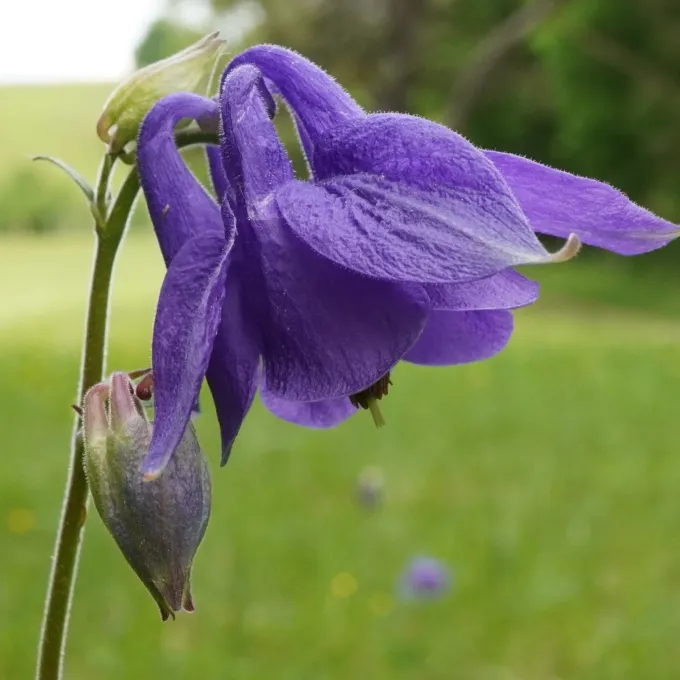
Description
Sowing dates
Sowing Aquilegia nigricans is most effective when done in late autumn, allowing the seeds to undergo natural winter stratification. This process is essential for breaking dormancy and ensuring uniform germination in early spring.
If starting indoors, sow seeds in high-quality potting mix during February. Seeds require light to germinate, so they should be pressed lightly into the surface rather than buried deep beneath the soil.
Keep the sowing containers in a cool location with temperatures around 15–18 degrees Celsius. Germination can be irregular, typically occurring within three to six weeks depending on environmental stability.
Once seedlings develop their first true leaves, they should be transplanted into individual pots. Harden them off gradually before moving them to their permanent location in the garden after the risk of frost has passed.
Space the plants approximately 30–40 centimeters apart to ensure proper air circulation. Proper spacing is a key agricultural practice to minimize the risk of fungal diseases during the growing season.
Growing requirements
Aquilegia nigricans thrives in well-drained, humus-rich soil. While it tolerates various soil types, adding organic matter such as leaf mold or compost significantly improves its vitality and flowering performance.
This species prefers partially shaded environments, making it ideal for woodland edges or spots with dappled sunlight. Avoid full sun exposure, as it can scorch the foliage and shorten the blooming period.
Maintain consistent soil moisture throughout the growing season, especially during hot, dry spells. However, ensure that the soil does not become waterlogged, as poor drainage is a primary cause of crown rot.
The plant is highly hardy and can withstand low winter temperatures once established. It does not require special winter protection in moderate climates, provided it is planted in a location that does not flood.
Apply a balanced liquid fertilizer twice during the growing season: once in early spring to support vegetative growth, and once after the first flush of flowers to encourage overall plant health.
Yield
In a horticultural context, the yield of Aquilegia nigricans refers to the abundance of its characteristic dark, bell-shaped flowers. Healthy, established plants will reward gardeners with numerous upright stems.
The peak flowering season typically occurs in early summer. Deadheading faded blooms is highly recommended; this prevents the plant from wasting energy on seed production and may even stimulate a second wave of flowers.
For those interested in propagation, allow a few of the best-looking flower stalks to remain on the plant until late August to collect mature seeds. The seeds should be dried in a cool, airy place.
Division of the rootstock can be performed every 4–5 years to keep the plants vigorous. This practice prevents the center of the crown from dying out and maintains a high level of aesthetic quality.
The plant serves as a unique element in perennial beds, providing a deep, moody color that contrasts beautifully with lighter foliage plants or traditional summer-blooming perennials.
Main diseases and pests
Powdery mildew is the most common disease affecting the plant. It appears as a white, dusty layer on the foliage, often triggered by humidity combined with poor air circulation around the plants.
Rust fungi may manifest as orange or brown pustules on the undersides of leaves. Infected plant material should be promptly removed and disposed of to prevent the spread of fungal spores across the bed.
Aphids are frequent pests that congregate on the soft, succulent stems and new buds. They can be managed with insecticidal soap or by introducing natural predators into the garden ecosystem.
Spider mites pose a significant threat during periods of extreme heat and low humidity. Their presence causes the foliage to lose color and eventually turn yellow; regular misting can help deter their establishment.
Slugs and snails can be particularly destructive to young, tender foliage in the spring. Monitoring is essential, and organic barriers or traps can be employed to protect the developing crowns from heavy damage.