
Moorcroft's columbine
Aquilegia moorcroftiana
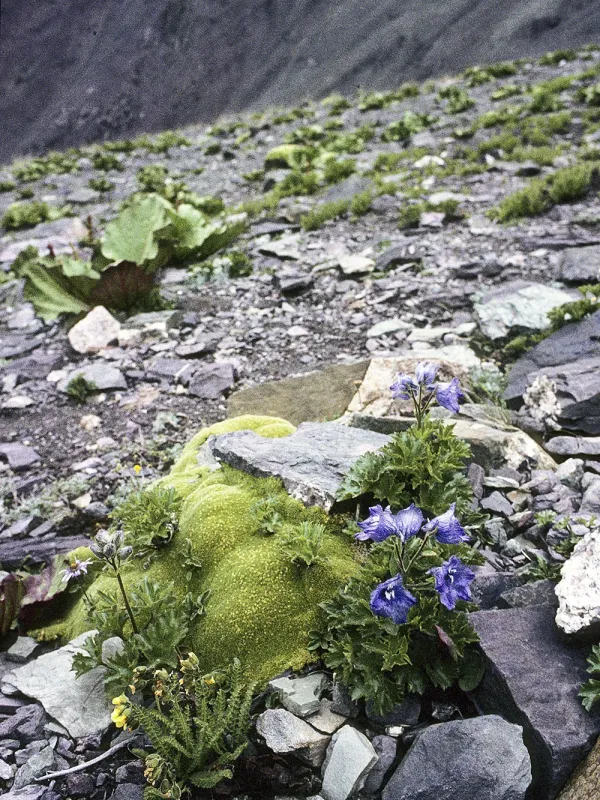
Description
Sowing dates
Moorcroft's columbine seeds require a cold stratification period to break dormancy and ensure consistent germination rates during the spring.
If sowing indoors, place the seeds in a damp medium and refrigerate them at 2–5 degrees Celsius for approximately four to six weeks.
When planting, barely cover the seeds with a thin layer of soil, as light exposure can be beneficial for the initial stage of seed germination.
The optimal temperature range for the seedlings to emerge is between 15 and 18 degrees Celsius, avoiding exposure to extreme heat.
Transplanting should be handled with care once the seedlings reach a manageable size, as the plant develops a fragile taproot system.
Growing requirements
This species belongs to the Ranunculaceae family and is native to high-altitude regions, making it adapted to cool and temperate environments.
The plant thrives in well-draining, slightly gritty or sandy soils, which mimic its natural mountainous habitat and prevent root rot.
It prefers full sun in cooler climates, but requires partial shade during the afternoon in warmer regions to prevent leaf scorching.
Consistent soil moisture is essential; however, the soil should never become waterlogged, as stagnant water is detrimental to the roots.
Providing a light mulch around the base of the plant helps maintain soil temperature and retains the necessary humidity during dry spells.
Main diseases and pests
Leaf miners represent a common cosmetic pest for Aquilegia species, creating winding, pale tunnels within the leaf tissue.
Powdery mildew can become a significant issue during periods of high humidity and poor air circulation, affecting the plant's aesthetic.
Aphids tend to cluster on the flower buds, which can lead to stunted growth and damage to the blooms if not managed properly.
Root rot, driven by excessive soil moisture and poor drainage, is the primary reason for failure in growing this species successfully.
Regular maintenance, including the removal of dead foliage, is recommended to discourage pests and keep the plant healthy throughout the season.