
Aquilegia litardierei
Aquilegia litardierei
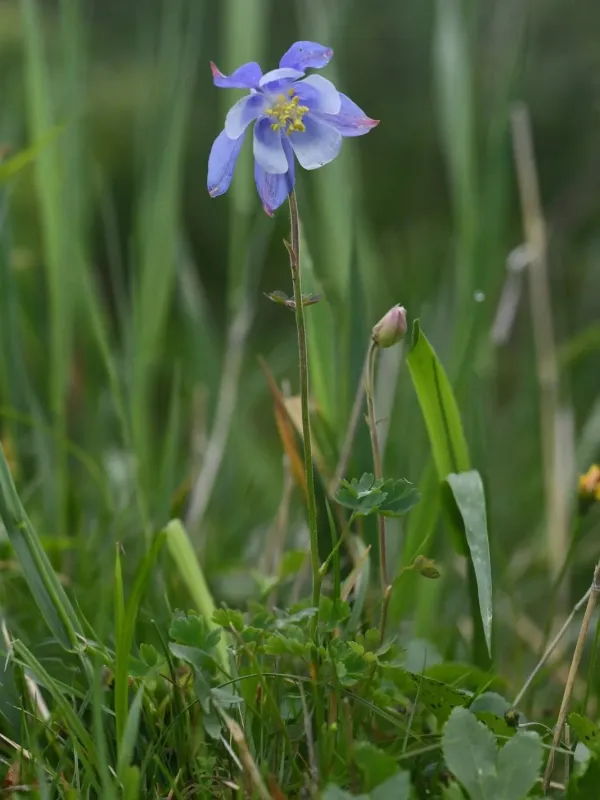
Description
Sowing dates
Propagation is primarily done via seeds. For the best germination rates, seeds should be sown in late autumn to allow for natural stratification throughout the winter months in a cold frame.
If sowing indoors, seeds require a period of artificial stratification in a refrigerator for at least 4 to 8 weeks. This process mimics the winter chilling required to break seed dormancy effectively.
Seeds need light to germinate and should be sown on the surface of a light, gritty compost mix. Pressing them gently into the soil surface is sufficient to keep them in place without burying them deep.
Germination usually occurs in spring as temperatures rise. During this phase, it is crucial to keep the substrate consistently moist but not waterlogged to prevent damping-off diseases.
Once the seedlings are large enough to handle, they can be transplanted into individual pots. When moving to the final location, ensure the site has excellent drainage and partial sun to maintain the plant's natural vigor.
Growing requirements
Aquilegia litardierei belongs to the Ranunculaceae family. This species is native to the rocky, mountainous regions of the Balkans, particularly in the karst areas of the former Yugoslavia.
The plant thrives in cool, temperate climates. Its natural adaptation to alpine environments makes it a hardy perennial suitable for gardens in northern latitudes, provided the soil conditions are optimal.
It requires well-drained, limestone-rich soils. Since it is native to craggy environments, it performs best in soils that do not retain excess moisture, as stagnant water can cause rapid root rot.
Botanically, it is recognized by its delicate, finely divided foliage and unique, spurred flowers typical of the genus. It usually stays compact, making it a perfect fit for smaller garden spaces or rockeries.
Economically, it is used exclusively in the ornamental industry. Its unique Balkan heritage and aesthetic appeal make it a highly sought-after plant for collectors of alpine and rock garden flora.
Main diseases and pests
Powdery mildew is the most common fungal issue for Aquilegia litardierei. It appears as white, dusty patches on leaves, often triggered by stagnant air or lack of proper ventilation around the plant base.
Aphids can also be a significant threat, feeding on the soft, succulent growth and potentially transmitting viral diseases. Early detection and treatment with insecticidal soaps can help mitigate this problem.
Root rot remains the most serious threat to the longevity of the plant. It is almost always caused by heavy, water-retentive soils or excessive irrigation during the dormant season.
To ensure plant health, gardeners should emphasize proper site selection and physical spacing. Maintaining good airflow is the most effective cultural method to prevent most fungal and bacterial threats.
- Ensuring proper soil drainage at planting.
- Removing debris around the base of the plant.
- Applying preventive organic fungicides if necessary.