
Kitaibel columbine
Aquilegia kitaibelii
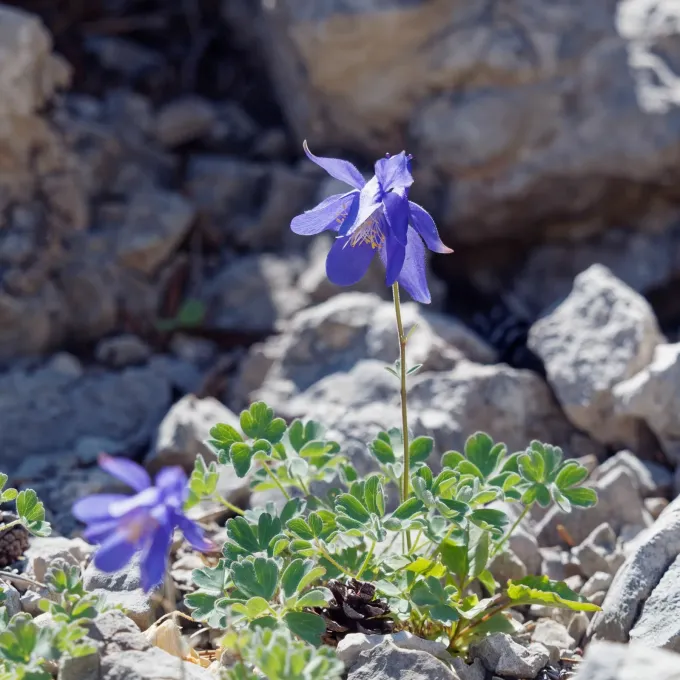
Description
Sowing dates
Sowing seeds of Aquilegia kitaibelii is best performed in late autumn, allowing the seeds to undergo natural stratification during the winter months.
If sowing in the spring, the seeds must be chilled in a refrigerator at temperatures around +4 degrees Celsius for at least six weeks prior to planting.
Seeds should be covered with a very thin layer of substrate, as light is a critical factor for the successful germination of this species.
Maintaining a constant moisture level in the seed tray is essential, but it is equally important to avoid waterlogging the growing medium.
Transplanting seedlings to their final location should be done carefully to protect the delicate taproot from damage during the process.
Growing requirements
Aquilegia kitaibelii belongs to the Ranunculaceae family and originates from the limestone mountainous regions of the Balkan Peninsula.
This species thrives in well-drained, gritty soils that mimic its natural alpine environment, requiring excellent aeration for the root system.
While it appreciates morning sun, the plant performs best in partially shaded locations that protect it from harsh afternoon heat and drying winds.
Regular but moderate irrigation is needed, especially during the spring bloom, ensuring that the soil remains moist but never saturated.
The cultural practice involves minimal fertilization, as this species is adapted to nutrient-poor soils where excessive nitrogen can lead to weak growth.
Main diseases and pests
Powdery mildew is a frequent issue in humid climates, particularly when air circulation around the foliage is restricted by dense planting.
Root rot caused by various soil-borne fungi remains the primary threat to the longevity of the plants when drainage is insufficient.
Aphids often colonize the flower buds, causing deformation and reducing the aesthetic value of the plant during the flowering stage.
Spider mites can become problematic during dry, hot spells, requiring monitoring of the undersides of leaves for early signs of infestation.
Proper hygiene, such as removing fallen leaves and spent flower stems, significantly reduces the pressure from pests and diseases over time.