
Hybrid columbine
Aquilegia hybrids
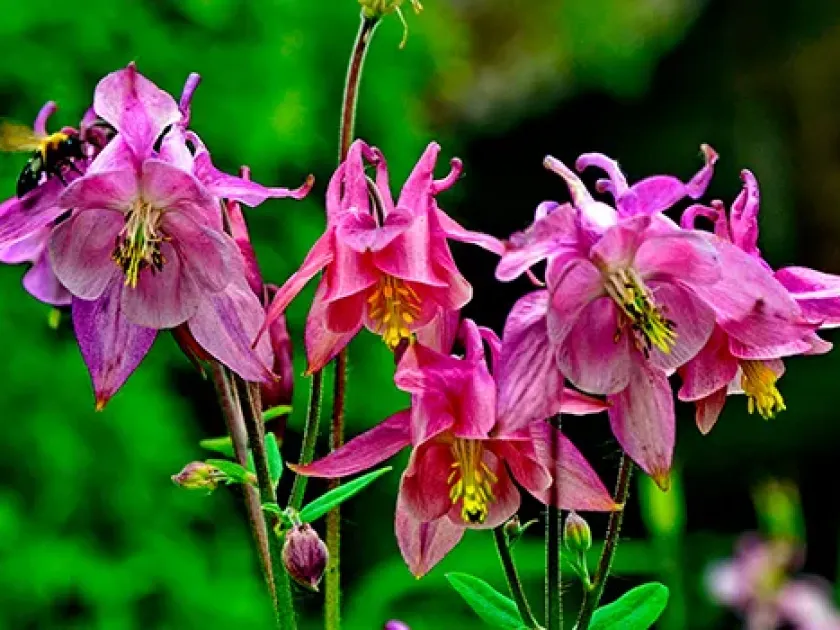
Description
Sowing dates
Sowing seeds of the hybrid columbine is preferably done in autumn by planting them directly into open ground, which ensures natural stratification of the seeds.
When sowing in spring, the seeds require mandatory pre-treatment, including exposure to cold conditions at temperatures between 0 and +5 degrees Celsius for one month.
Seeding is carried out in prepared furrows at a depth of no more than 0.5–1 cm, as columbine seeds are very small and require light to germinate effectively.
To speed up the production of seedlings, greenhouses or cold frames are used, maintaining a moderate temperature of around +16 to +18 degrees Celsius, which results in emergence within 2–3 weeks.
Transplanting hardened seedlings to their permanent location should be done with care to avoid damaging the delicate root system of the plant.
Growing requirements
The hybrid columbine belongs to the Ranunculaceae family and is a perennial herbaceous plant with high adaptability to various growing environments.
The crop prefers semi-shaded areas with loose, humus-rich, and moderately moist soil, although it can tolerate short periods of drought once established.
The plant possesses high cold hardiness, making it suitable for successful cultivation in most climatic zones, including regions characterized by harsh winters.
The optimal soil pH range for hybrid Aquilegia forms is slightly acidic to neutral, which facilitates better nutrient uptake and vigorous development.
To maintain active growth and encourage the formation of large flower stalks, it is recommended to apply regular mineral fertilizers during the vegetative stage.
Main diseases and pests
The most common diseases affecting this crop are powdery mildew, rust, and various types of rot, which typically occur due to improper irrigation management.
Regarding pests, spider mites, aphids, and leaf miners pose the greatest threat to columbine, as they cause significant damage to the foliage.
For controlling fungal infections, fungicide preparations based on copper or specialized systemic plant protection products are typically applied.
Broad-spectrum insecticides are effective in eliminating pest outbreaks; however, their use must be strictly regulated during the flowering period to protect pollinators.
Disease prevention measures include maintaining proper plant spacing, promptly removing infected plant parts, and ensuring moderate watering directed at the root zone.