
Hairy columbine
Aquilegia hirsutissima
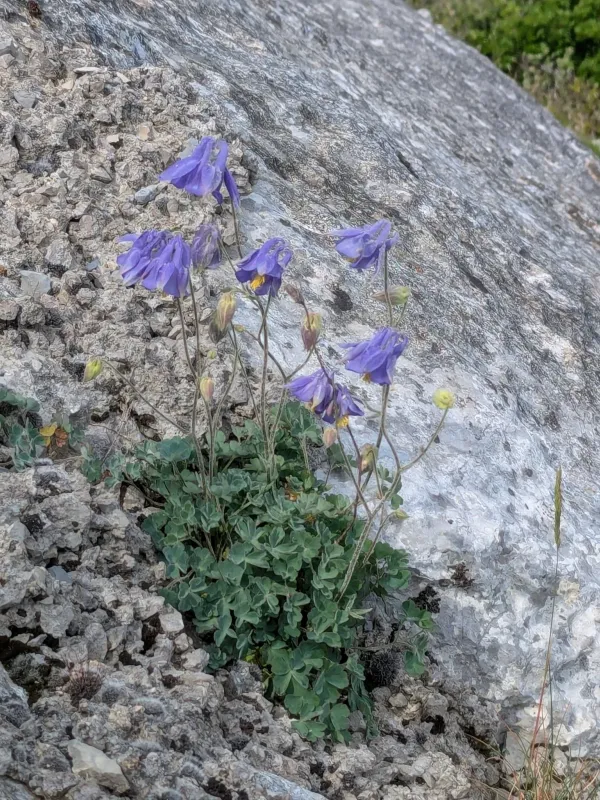
Description
Sowing dates
Sowing of Aquilegia hirsutissima seeds is best performed before winter in open ground or in early spring after the seeds have undergone a cold stratification period. Autumn sowing allows seeds to endure natural hardening, which significantly improves germination rates.
When propagating in containers, seeds should be sown in March into a light, nutrient-rich substrate. The trays must be kept at temperatures around 18–20 degrees Celsius, ensuring a consistent and gentle moisture supply.
Seedlings should be pricked out into individual pots once the first two true leaves have emerged. Extreme care is required during this process, as the taproot system is very fragile and sensitive to transplantation shock.
Transplanting to the permanent location should be scheduled for May, once the risk of late-night frosts has passed. Planting patterns should account for the plant's future spread, leaving an interval of 30–40 centimeters between individuals.
For direct seeding into the ground, choose a semi-shaded spot, as direct midday sun can easily dry out the topsoil layer, which is detrimental to the germination of small columbine seeds.
Growing requirements
The hairy columbine belongs to the Ranunculaceae family and requires specific soil moisture levels. It thrives best in light, loamy, and well-drained soils that are rich in organic matter and humus.
The plant prefers partial shade, although it can adapt to sunny spots provided that watering is frequent. A lack of moisture quickly leads to the loss of ornamental value and premature wilting of the foliage.
Soil pH should remain neutral to slightly acidic. In heavy or clay-based soils, it is necessary to incorporate sand and peat to improve root aeration, as stagnant water can cause rapid root rot.
During the active growth season, the crop benefits from moderate applications of balanced mineral fertilizers. Excess nitrogen, however, encourages excessive leaf growth at the expense of floral development.
The plant is quite hardy, but in areas with cold, snowless winters, applying mulch around the root zone using peat or dry leaves is highly recommended to protect the crown of the plant from freezing.
Main diseases and pests
The most common biological threats to Aquilegia hirsutissima include powdery mildew, which manifests as a white, dusty film on the leaves. Control is best achieved through the application of systemic fungicides.
Rust is another frequent disease, causing deformation and yellowing of the leaves. Infected plant parts must be removed and disposed of properly to prevent the spread of fungal spores across the garden.
Regarding pests, spider mites and aphids are the primary concern, as they feed on the sap of young shoots. These can be managed using specialized insecticides or organic horticultural oils.
Leaf miners represent a specific group of pests whose larvae create visible, winding tunnels within the leaf tissue. Damaged foliage should be picked off and discarded to weaken the pest population.
Disease prevention is largely dependent on proper watering practices, avoiding overhead irrigation that leaves foliage wet, and ensuring adequate air circulation between plants to reduce humidity.