
Hinckley's columbine
Aquilegia hinckleyana
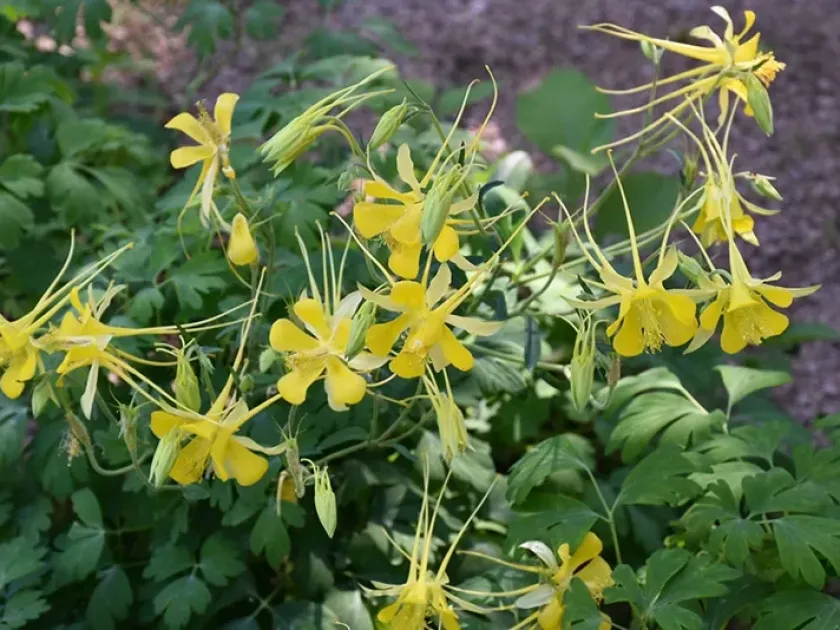
Description
Sowing dates
Sowing seeds of Aquilegia hinckleyana is most effective in the autumn, allowing the seeds to undergo natural stratification throughout the winter. If spring sowing is planned, seeds must be artificially stratified in a refrigerator for at least 60 days to break dormancy.
Seeds should be covered with only a thin layer of soil, as they require some light exposure for optimal germination. The seedling substrate should be well-draining, loose, and slightly enriched with organic matter to support early growth.
When starting indoors, maintain temperatures between 15°C and 18°C. Seedlings should be pricked out carefully, as the plant develops a long taproot early on that is highly susceptible to damage during transplanting.
Transplanting into the permanent garden site should occur once the risk of frost has passed in late spring. Space the plants adequately, at least 35–40 cm apart, to ensure proper airflow and prevent competition for nutrients.
Vegetative propagation via division is possible but challenging due to the plant's delicate root system. Division should only be attempted on mature plants in early spring or autumn to reduce transplant stress.
Growing requirements
Hinckley's columbine thrives best in partial shade, mimicking its natural habitat in rocky canyons. Excessive exposure to direct sunlight, especially in hot climates, can lead to scorching and premature wilting of the foliage.
The soil must be well-drained and neutral to slightly acidic in pH. While the plant appreciates consistent moisture, it does not tolerate waterlogged conditions, which can quickly lead to crown rot and fungal issues.
Regular irrigation is necessary, particularly during the flowering stage and peak summer heat. Always direct the water to the base of the plant to keep the foliage dry and reduce the risk of diseases.
Applying a light mulch, such as pine needles or well-rotted compost, helps maintain soil moisture levels and keeps the roots cool. Avoid covering the crown of the plant with too much mulch, as this can encourage decay.
While hardy, the plant benefits from protection against strong winter winds. A layer of organic matter over the roots in late autumn is sufficient to provide insulation during dormant periods in colder regions.
Main diseases and pests
Powdery mildew is a significant threat, appearing as a white, dusty film on leaves during humid weather. Maintaining proper spacing between plants and using fungicide sprays are essential strategies for control.
Aphids often target new, tender shoots and flower buds, weakening the plant and potentially transmitting viruses. Insecticidal soaps or neem oil applications are effective treatments for managing aphid infestations.
Leaf miners can create unsightly tunnels within the leaf tissue, damaging the aesthetic appeal of the plant. Removing and destroying affected foliage is often the best cultural control method for this pest.
Root rot, primarily caused by Phytophthora, is a lethal disease in wet, heavy soils. Prevention is key; ensuring excellent drainage at the time of planting is the most effective defense against this problem.
Botrytis blight may occur during periods of prolonged wet weather, affecting flowers and leaves. Promoting good air circulation and removing any debris around the base of the plant help mitigate this risk.