
Fragrant columbine
Aquilegia fragrans
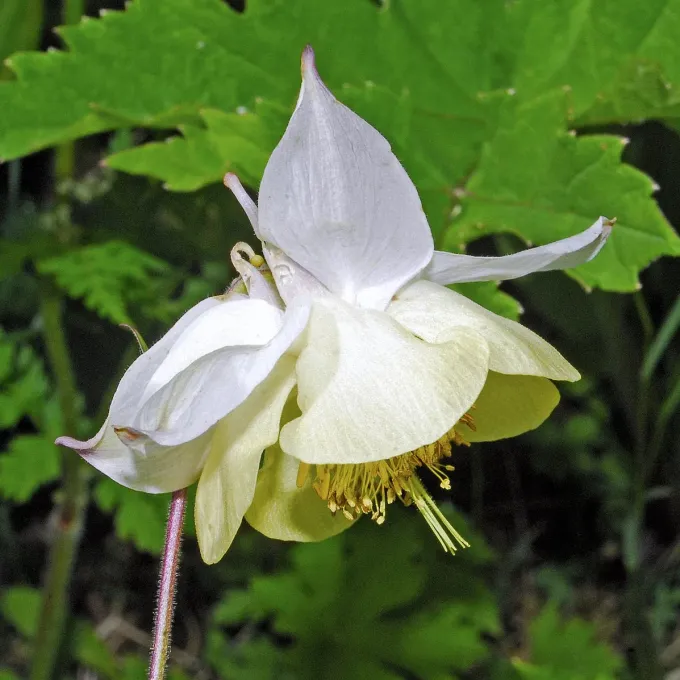
Description
Sowing dates
Fragrant columbine (Aquilegia fragrans) seeds typically require a cold stratification period of several weeks to achieve optimal germination rates.
For best results, seeds should be sown in autumn, allowing the natural winter weather to break the dormancy of the embryos before the spring thaw.
When sowing in containers, keep the substrate moist but not waterlogged, as seeds are prone to rotting if they remain in stagnant conditions for too long.
Light coverage with a fine layer of vermiculite or soil is recommended, as the seeds need a small amount of light to trigger the physiological growth process.
Once seedlings have developed their first true leaves, they should be hardened off carefully before being transplanted to their final outdoor location.
Growing requirements
Belonging to the Ranunculaceae family, this plant thrives in temperate climates and prefers positions with dappled sunlight or light shade.
The soil should be fertile, humus-rich, and well-draining, mirroring the mountain forest habitats where this species is naturally found.
Regular irrigation is essential during the flowering season to sustain the aromatic production, which is a distinctive trait of this specific variety.
Applying a balanced organic fertilizer in early spring supports healthy foliage development and encourages the production of more fragrant blooms.
Proper airflow is crucial for this species; overcrowding should be avoided to prevent the buildup of humidity around the dense basal foliage.
Main diseases and pests
Powdery mildew is the most significant disease threat, appearing as a white dusting on leaves during humid, stagnant weather conditions.
Aphids often target the developing flower buds, which can cause poor floral development and stunt the overall growth of the plant.
Root rot is a common issue when plants are situated in poorly draining heavy soils, often leading to sudden wilting and eventual death of the specimen.
Spider mites may become problematic during dry, hot spells; monitoring the underside of leaves for fine webbing is a recommended practice.
Effective management includes maintaining optimal plant spacing, ensuring proper site drainage, and removing any decaying plant debris to reduce pathogen pressure.