
Western columbine
Aquilegia formosa
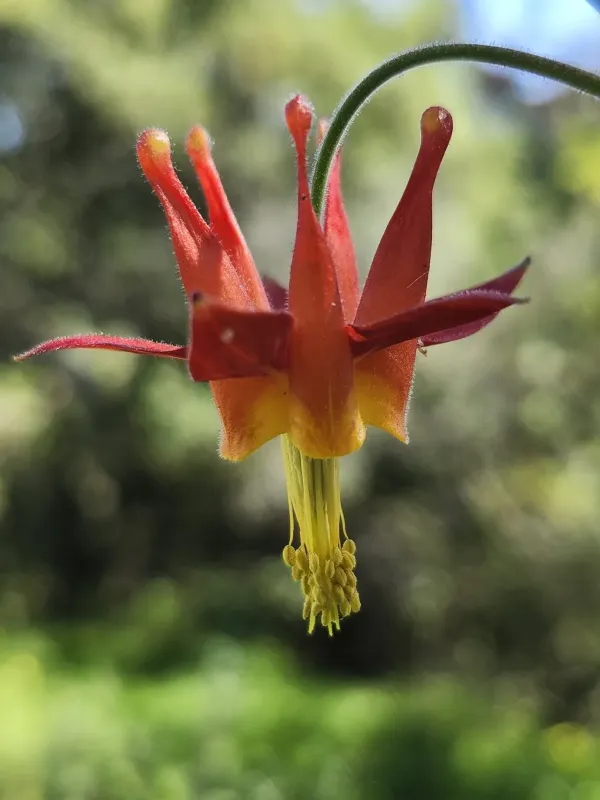
Description
Sowing dates
Sowing seeds of Western columbine (Aquilegia formosa) is most successful when performed in late autumn for winter sowing, as the seeds require a period of cold stratification to break dormancy. This member of the Ranunculaceae family is sensitive to inconsistent germination conditions.
When starting indoors, seeds should be sown in March using high-quality potting mix. The containers should be kept in a cool area with temperatures around 15 degrees Celsius, as this species does not thrive in excessive heat during the germination process.
Seeds need light to germinate; therefore, they should be sown on the surface and pressed firmly into the substrate without burying them deep. Moisture should be maintained consistently, using a fine spray to avoid displacing the seeds.
Pricking out the seedlings requires precision due to the plant's taproot system, which is prone to shock. Utilizing peat pots is recommended to minimize root disturbance during the final transplanting stage into the garden.
The recommended spacing for mature plants is 30 by 40 centimeters to ensure adequate air circulation and to prevent the development of foliage diseases during the humid summer months.
Growing requirements
Western columbine flourishes in locations with partial shade, simulating its natural habitat on forest edges or along stream banks. While it can tolerate more sun in cooler regions, it generally requires protection from intense mid-day heat.
The ideal soil is rich, well-draining, and slightly moist. It thrives in loamy soils, and gardeners should avoid heavy clay or compacted soils where stagnant water can quickly cause the crown of the plant to rot.
Consistent moisture is crucial during the active growing season. If rainfall is insufficient, supplemental irrigation is necessary to prevent the foliage from wilting and to extend the longevity of the flowering period.
This perennial is known for its hardiness in temperate climates, though it benefits from a layer of organic mulch during winter. Mulching helps regulate soil temperature and prevents the heaving of the roots during freeze-thaw cycles.
Fertilization should be moderate, with organic amendments like compost applied in the spring. Over-fertilization should be avoided, as it can lead to excessive foliage growth at the expense of floral production.
Main diseases and pests
Powdery mildew is a significant concern for Western columbine, particularly when air circulation is poor and humidity levels are high. Applying sulfur-based fungicides can help manage outbreaks if early signs of white mycelium appear.
Aphids are common pests that target young buds and tender foliage. If left unchecked, they can stunt growth and transmit viral diseases. Regular monitoring and the use of insecticidal soap are effective for early control.
Spider mites may infest the plant during hot, dry spells, causing the leaves to develop a stippled, pale appearance. Keeping the plants well-hydrated helps build natural resistance to these pests.
Root rot is often the result of poor drainage or overwatering. Once established, this condition is difficult to reverse, making prevention through proper site selection and soil amendment the most important strategy.
Regular sanitation, such as removing dead foliage at the end of the season, reduces the overwintering sites for insects and spores of fungal pathogens, ensuring healthier plants the following year.