
Yellow columbine
Aquilegia flavescens
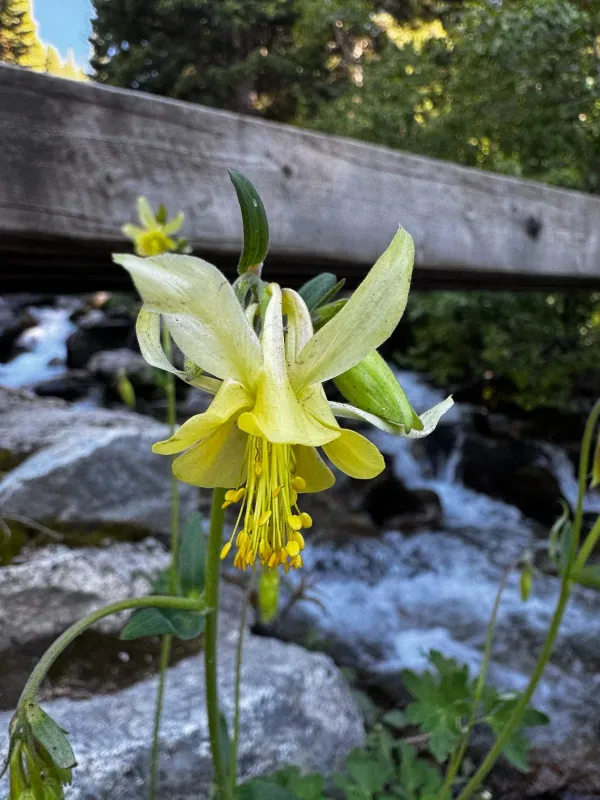
Description
Sowing dates
Seeds of Aquilegia flavescens require a period of cold stratification, making late autumn or early winter the ideal time for sowing directly into the garden beds.
Indoor sowing in trays should be initiated in late February or March, keeping the soil surface moist and ensuring the seeds are not buried too deeply.
Once seedlings emerge, they should be kept in a cool, bright environment to prevent them from becoming leggy or overly sensitive to temperature shifts.
Transplanting young plants to their permanent location is best performed in early spring or autumn to allow root establishment before the onset of extreme weather.
Proper spacing is crucial for air circulation; plants should be set roughly 12 to 16 inches apart depending on the variety's potential size at maturity.
Growing requirements
Yellow columbine belongs to the Ranunculaceae family and thrives in cool, alpine or sub-alpine environments, reflecting its native mountainous origins.
The ideal growing medium is a well-drained, humus-rich soil that retains some moisture without becoming waterlogged or compacted.
While these plants are resilient, they prefer locations with dappled shade, as direct intense sun exposure can lead to leaf scorch and soil overheating.
Consistent moisture is essential during the active growing phase, though the plants possess a relatively deep root system that aids in moderate drought tolerance.
Maintenance involves mulching the base to retain moisture and providing light fertilization with balanced compost in early spring to support vigorous blooms.
Main diseases and pests
Powdery mildew is the most common fungal issue, appearing as a greyish-white dust on the foliage, especially in humid and stagnant air conditions.
Aphids are frequent pests that congregate on the tender buds and young leaves, potentially transmitting viral diseases if not controlled in time.
Leaf miners can be identified by the squiggly white tunnels within the leaves; while usually not lethal, they significantly reduce the plant's aesthetic value.
To mitigate these risks, growers should avoid overhead irrigation which wets the foliage and increases the susceptibility to fungal infections.
Regular monitoring of the undersides of leaves and prompt removal of heavily infested or infected plant tissue will maintain the health of the collection.