
Fan columbine
Aquilegia flabellata
Description
Sowing dates
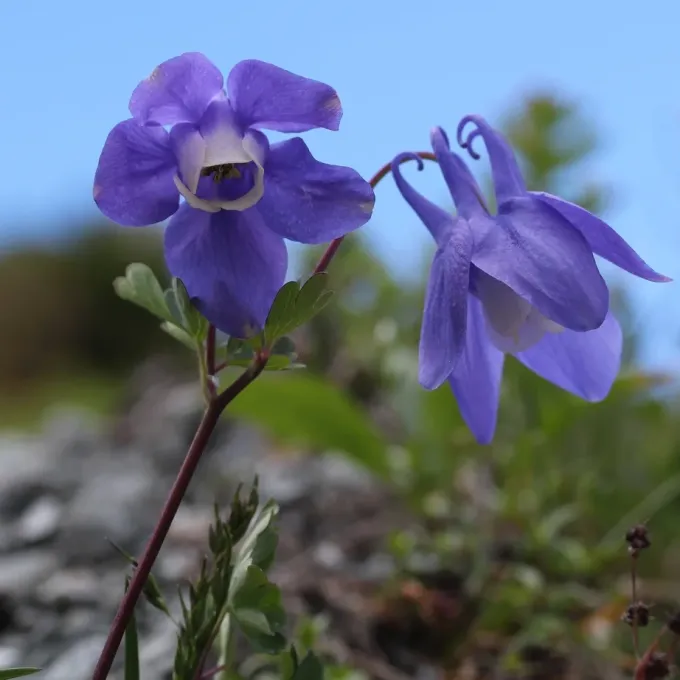
Fan columbine (Aquilegia flabellata) belongs to the Ranunculaceae family. Seeds are best sown in late autumn or spring, typically requiring a cold stratification period of several weeks to achieve high germination rates.
For greenhouse cultivation, seeds are sown in sterile potting mix in early spring, kept at moderate temperatures of 15 to 18 degrees Celsius, and lightly covered with soil or vermiculite.
Seedlings should be pricked out into individual pots once the first true leaves appear, ensuring that the fragile root system remains undisturbed during the transplanting process.
Plants are moved to their permanent outdoor location once the risk of frost has passed, usually in mid-spring, ensuring they are spaced sufficiently apart to allow for proper airflow.
Establishing the plants early in the season allows them to develop a robust root system before the onset of the heat of summer, which is vital for their survival.
Growing requirements
This species thrives in moist, well-draining, and humus-rich soils. While it adapts to various soil types, it performs best in neutral to slightly acidic pH conditions.
Although it can tolerate full sun in cooler climates, Fan columbine prefers partial shade, especially during the peak afternoon hours to prevent leaf scorching.
The plant is highly cold-hardy, originating from alpine environments, which allows it to thrive in colder regions without the need for winter protection or heavy mulching.
Consistent moisture levels are required; however, the soil should not become waterlogged, as this is the primary cause of root and crown rot in this perennial species.
Maintenance tasks include regular weeding around the base of the plant to minimize competition for nutrients and maintaining a thin layer of organic mulch for moisture retention.
Main diseases and pests
Powdery mildew is the most common fungal disease, manifesting as a white, dusty growth on the foliage when humidity is high and air circulation is poor.
Common insect pests include aphids and leaf miners, which can disfigure the leaves and stress the plant, potentially leading to weakened blooms or stunted growth.
Management of these threats involves prompt removal of infected leaves and the application of appropriate organic or synthetic fungicides and insecticides when necessary.
Cultural control methods, such as avoiding overhead watering, are highly effective in preventing many of the fungal infections that affect this genus.
- Strategic placement for good air movement
- Monitoring for pest activity in spring
- Using balanced fertilizers sparingly
- Removing debris to reduce fungal spores