
Aquilegia einseleana
Aquilegia einseleana
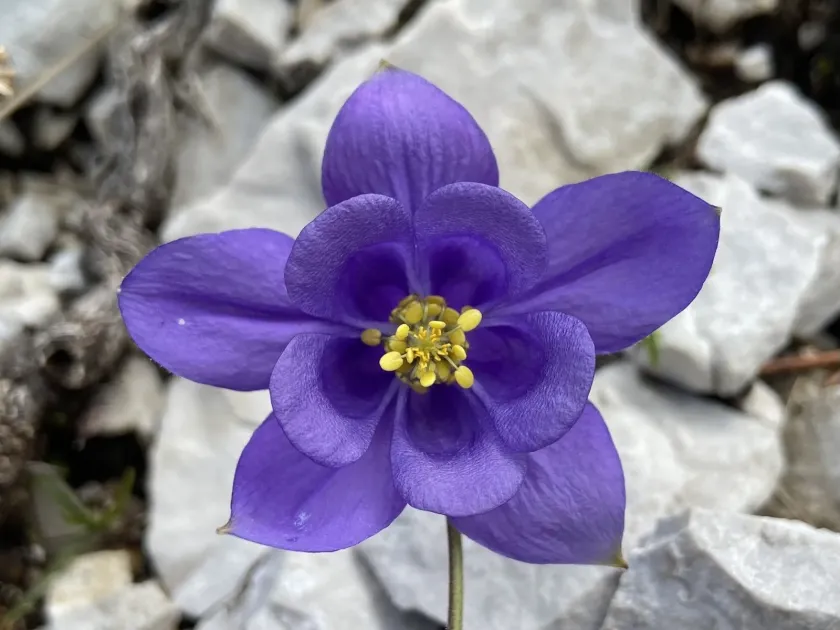
Description
Sowing dates
Sowing seeds of Aquilegia einseleana in temperate climates is best performed in late autumn or early winter, sowing them directly into the open ground. This practice ensures natural stratification, which is crucial for the successful germination of this species.
If sowing is done in the spring, seeds require artificial stratification in a refrigerator for approximately 4 to 6 weeks. The optimal temperature for germination ranges between +15 and +18 degrees Celsius.
Seeds should be sown superficially, barely covered with substrate or sand, as they require light to germinate effectively. The seedbed must be kept consistently moist throughout the germination process, avoiding complete drying of the topsoil.
Seedlings should be transplanted to their permanent location after the appearance of 2 or 3 true leaves. The plant exhibits a moderate growth rate, making it essential to suppress weed competition during the early stages of development.
For a faster transition to the flowering stage, greenhouse propagation is often utilized, allowing young plants to be transplanted into open ground once stable, warm weather has arrived.
Growing requirements
Aquilegia einseleana belongs to the Ranunculaceae family and is a typical representative of the Alpine flora. This perennial herbaceous plant is perfectly adapted to rocky soils and the harsh conditions characteristic of high-altitude mountain environments.
The culture thrives in full sun or light, dappled shade, which is often found in woodland edges. In its native habitat, it frequently grows on limestone slopes, necessitating excellent drainage and specific soil conditions.
Soils for cultivation should be lightweight and rich in humus, with a mandatory presence of calcium (lime). Excessive moisture is detrimental to the plant's root system, making proper water drainage the most critical factor for success.
This species demonstrates high winter hardiness, typical of alpine plants. While it can withstand freezing temperatures, light mulching is recommended during snowless winters to protect the root crown from frost damage.
During the active growing season, regular moderate watering is required. In the heat of the summer months, maintaining consistent substrate moisture is vital, provided that water does not stagnate at the base of the stems.
Main diseases and pests
The primary threats to this plant are fungal infections, such as powdery mildew and leaf rust. These diseases are frequently triggered by high air humidity and poor air circulation around the foliage.
Common pests include aphids and spider mites, which feed on the sap of young leaves and flower buds. Significant infestations can cause a loss of decorative appeal and a noticeable reduction in the plant's growth vigor.
Leaf miner larvae may damage the foliage, creating characteristic winding tunnels in the leaf blades. Preventive measures include regular weeding and the removal of plant debris that may harbor overwintering pests.
Management of diseases and pests involves the application of modern systemic fungicides and insecticides. Treatment should be performed at the earliest sign of infection, ensuring that recommended application dosages are strictly followed.
Root rot is typically a consequence of incorrect irrigation practices or growing the plant in heavy, acidic, or waterlogged soil. Adhering to proper horticultural practices remains the most effective defense against the majority of pathogens affecting this decorative species.