
Aquilegia dumeticola
Aquilegia dumeticola
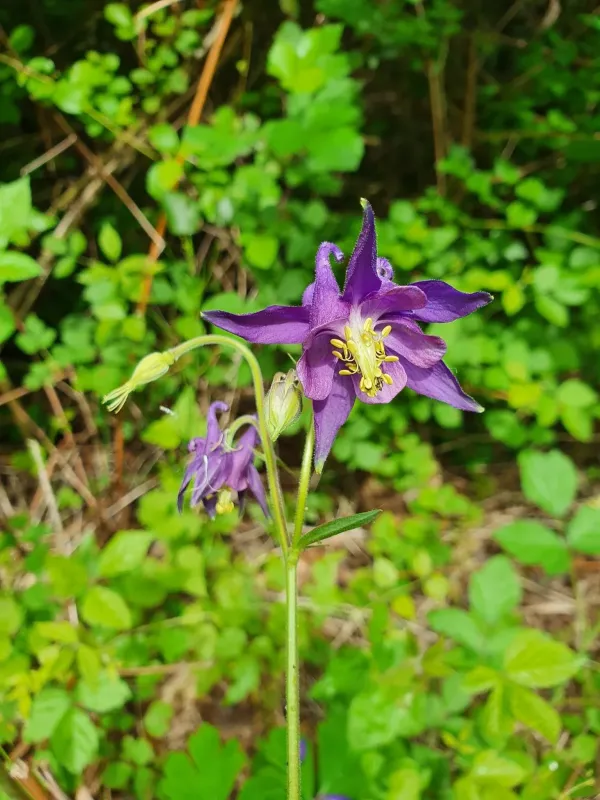
Description
Sowing dates
Sowing Aquilegia dumeticola seeds is best performed in late autumn for outdoor winter stratification, which significantly improves germination rates. If planting in the spring, seeds must be cold-stratified in a refrigerator at 2–4 degrees Celsius for at least 4–6 weeks before sowing.
Seeds should be sown at a shallow depth of no more than 0.5 cm, as they require sufficient light to trigger the germination process. The substrate should be kept consistently moist but well-drained to prevent the seeds from damping off during the initial growth phase.
Transplanting seedlings to their final location is recommended in late spring, once the threat of late frosts has passed. A spacing of 30–40 cm between plants is essential to ensure adequate airflow and prevent the development of fungal infections in the foliage.
While propagation by seed is the most reliable method, mature plants can be divided during early spring or late summer. Care must be taken during division, as the plant possesses a deep taproot that is highly sensitive to disturbance and transplant shock.
Plants grown from seed typically establish a basal rosette during the first season, with the first display of flowers occurring in the second year. Consistent moisture and protection from direct midday sun during the first summer are critical for successful establishment.
Growing requirements
Aquilegia dumeticola is a member of the Ranunculaceae family and is native to mountainous terrains, adapting it to cool and temperate environments. The species performs best in semi-shaded locations where it can avoid harsh, direct sunlight that can scorch the leaves.
The ideal soil for this species is a loose, fertile loam with excellent drainage properties. While the plant appreciates consistent moisture, it is highly susceptible to root rot if water stagnates in the root zone, making soil structure a priority for cultivation.
Supplemental fertilization with organic compost or well-rotted manure during the autumn season provides necessary nutrients. During the active growth cycle, a balanced, slow-release fertilizer can support prolific flowering without causing excessive vegetative overgrowth.
Irrigation should be applied directly to the base of the plant to keep the foliage dry, which is a key management practice for maintaining plant health. In summer, the soil should be mulched to retain moisture and keep the roots cool, mimicking its natural habitat.
The plant demonstrates good frost resistance and usually does not require extensive winter protection in temperate climates. However, in regions with extreme winter conditions, a light covering of straw or evergreen boughs can protect the crown from freezing and thawing cycles.
Main diseases and pests
The primary threats to Aquilegia dumeticola include fungal pathogens such as powdery mildew and various leaf spot diseases. These often manifest in humid, stagnant conditions, making correct spacing and airflow management the first line of defense against infection.
Pests like aphids and spider mites can infest the leaves and stems, sucking the plant's sap and reducing its overall vigor. Early detection and the application of insecticidal soaps or systemic treatments can effectively control these populations before they cause damage.
Root-knot nematodes can also pose a threat, particularly in soils where related species have been grown previously. Crop rotation and maintaining soil hygiene are recommended practices to minimize the risk of nematode infestation in the garden.
Slugs and snails may feed on the tender young growth of the plant, especially during wet springs. Physical barriers such as crushed eggshells or copper tape can be effective in preventing damage to young seedlings and established plants alike.
- Maintain proper spacing to ensure adequate air circulation.
- Regular monitoring for early signs of pest colonization.
- Prompt removal of diseased or yellowing foliage to reduce inoculum.
- Use of disease-resistant cultivars where available to improve success rates.