
Buerger's columbine
Aquilegia buergeriana
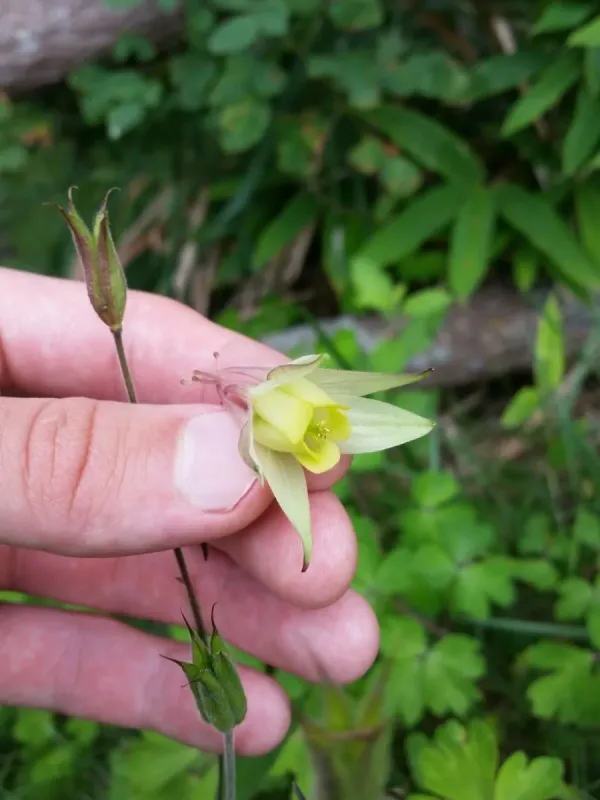
Description
Sowing dates
Sowing Buerger's columbine seeds directly into the open ground is best done in late autumn. This allows for a natural period of cold stratification, which significantly improves the germination rate in the following spring season.
For indoor sowing, seeds should be sown in late winter. Because the seeds require light to germinate, they must be pressed gently into the substrate surface without deep burial. Maintain a temperature of 18–20 degrees Celsius for optimal seedling development.
The seeds may require artificial stratification if they are stored in dry conditions for a long time. Placing the seeds in a moist medium at 2–4 degrees Celsius for several weeks simulates winter conditions effectively.
Seedlings should be pricked out when the first true leaves appear. It is crucial to use deep containers for seedlings because the plant develops a deep taproot early, which is sensitive to mechanical damage during transplantation.
Transplanting into the garden bed should occur after the danger of severe frost has passed. Space the plants approximately 30 cm apart to ensure adequate air circulation and prevent fungal outbreaks.
Growing requirements
Buerger's columbine thrives best in partially shaded locations. Excessive exposure to direct sunlight throughout the day may cause leaf scorch and premature dormancy of the plant during the summer months.
The soil should be fertile, humus-rich, and possess excellent drainage characteristics. While the plant appreciates moisture, it will not tolerate waterlogged conditions, which can lead to quick root rot.
Watering should be consistent throughout the active growth phase. During dry periods, deep irrigation once or twice a week is superior to frequent light sprinkling, as it encourages the roots to grow deeper into the soil.
Fertilization with a balanced slow-release fertilizer in early spring is sufficient for healthy growth. Avoid over-application of nitrogen, which may lead to excessive foliage growth at the expense of floral development.
The plant is highly adaptable to various soil pH levels, though it prefers a slightly acidic to neutral range. Periodic mulching with organic material helps maintain soil moisture and protects the crown during winter.
Main diseases and pests
Powdery mildew represents a major concern, especially in areas with high humidity and limited air movement. Improving spacing between plants is the most effective preventative measure against this pathogen.
Leaf spot diseases and rust can appear during wet seasons. Affected foliage should be promptly removed and discarded far from the planting site to prevent the spread of fungal spores to healthy tissue.
Aphids are frequent pests on columbine, often gathering on new buds and undersides of leaves. Regular monitoring and use of insecticidal soaps can manage these populations without harming beneficial insects.
Leaf miners can cause unsightly tunnels within the leaf blades. While rarely fatal to the plant, severe infestations can significantly reduce the decorative value of the foliage throughout the growing season.
Slugs and snails often feed on young foliage, particularly in spring. Implementing barriers or using organic baits can protect tender new growth from being decimated by these common garden mollusks.
Harvesting
Harvesting for seed production should take place once the seed pods begin to turn brown but before they split open. The pods should be cut and dried in a well-ventilated area to allow the seeds to mature fully.
If the goal is to maintain the plant's energy for the next year, flower stalks should be deadheaded immediately after the blossoms fade. This prevents the formation of seed heads and promotes healthier root growth.
Cut flowers for decorative use should be harvested in the early morning when the blooms are fully hydrated. The stems should be immediately placed in clean water to ensure maximum vase life.
At the end of the season, after the first frost, the foliage may be cut back to the ground level. This practice helps to clear away potential overwintering sites for pests and diseases, keeping the garden clean.
When collecting seeds, it is important to label them correctly, as hybridization between different Aquilegia species can occur if they are grown in close proximity within the same garden area.