
Small-flowered columbine
Aquilegia brevistyla
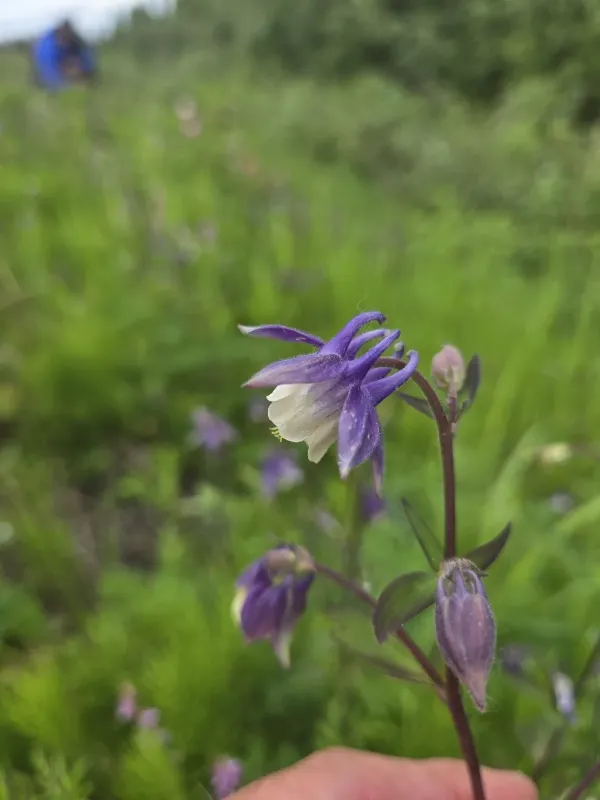
Description
Growing requirements
Small-flowered columbine (Aquilegia brevistyla) is a perennial herbaceous plant belonging to the Ranunculaceae family. It is native to the northern regions of North America, typically found in wooded areas and rocky slopes, reflecting its adaptation to specific forest-edge microclimates.
The plant thrives in moist, well-draining soils with a neutral to slightly acidic pH. It prefers partially shaded environments, which emulate the natural dappled sunlight of its native habitat, protecting it from intense midday heat that can cause stress to its foliage.
In terms of agricultural requirements, Aquilegia brevistyla needs consistent soil moisture during the active growth phase. However, it is essential to ensure that the site has excellent drainage, as waterlogged roots are susceptible to decay, which is a major limiting factor in its cultivation.
Botanically, this species is distinguished by its nodding, cup-shaped flowers with bluish-violet sepals and shorter spurs compared to other columbine species. The foliage is characteristically glaucous, compound, and creates a dense basal rosette that remains attractive throughout the season.
Economically, this species is highly valued in the ornamental plant industry for its hardiness and aesthetic appeal in shaded garden designs. It is commonly utilized in woodland gardens, perennial borders, and as a naturalistic addition to wildflower meadows where it can perennialize effectively.
Main diseases and pests
Powdery mildew is a common fungal threat, particularly in humid climates with poor air circulation. Proper spacing between plants and maintaining clear foliage are critical management strategies to mitigate the spread of spores during warm, damp weather conditions.
Aphids are frequent pests that infest the tender new growth and flower buds. Control is typically achieved through integrated pest management, including the use of horticultural oils or manual removal if the infestation is caught early in the development cycle.
Rust infections can appear as distinct spots on the underside of leaves, potentially reducing the plant's vigor. It is recommended to remove and destroy any infected plant parts immediately to prevent the cycle of infection within the garden population.
Root rot, driven by Phytophthora or Pythium species, poses a severe risk in soils that do not provide adequate drainage. Ensuring that the crown of the plant is not buried too deeply and that water can move freely through the soil profile is the best protection.
Leaf miners may leave winding tunnels in the leaves, marring the plant's appearance. While rarely fatal, significant mining can be treated with systemic insecticides or by simply clipping off and destroying the heavily affected leaves to control the pest population.