
Bernard's columbine
Aquilegia bernardii
Description
Sowing dates
Sowing seeds of Bernard's columbine is best performed in the autumn, allowing for natural winter stratification. This process is essential for breaking seed dormancy and ensuring uniform germination when spring temperatures rise.
For spring sowing, seeds should be stratified in a refrigerator at temperatures between 2 and 4 degrees Celsius for at least one month. Use a light, well-draining seed-starting mix and cover the seeds very lightly with fine sand or vermiculite.
Seeds require a small amount of light to germinate effectively, so do not bury them deeply in the soil. Maintain a steady temperature of around 16–18 degrees Celsius during the germination period to ensure success.
Once seedlings have developed at least two true leaves, they should be pricked out and transplanted into individual pots. This allows the roots to develop properly before the plants are set into their permanent garden location.
Space the plants approximately 30 centimeters apart to allow for proper airflow. This spacing is crucial for preventing humidity-related diseases and ensuring that each plant has enough nutrients.
Growing requirements
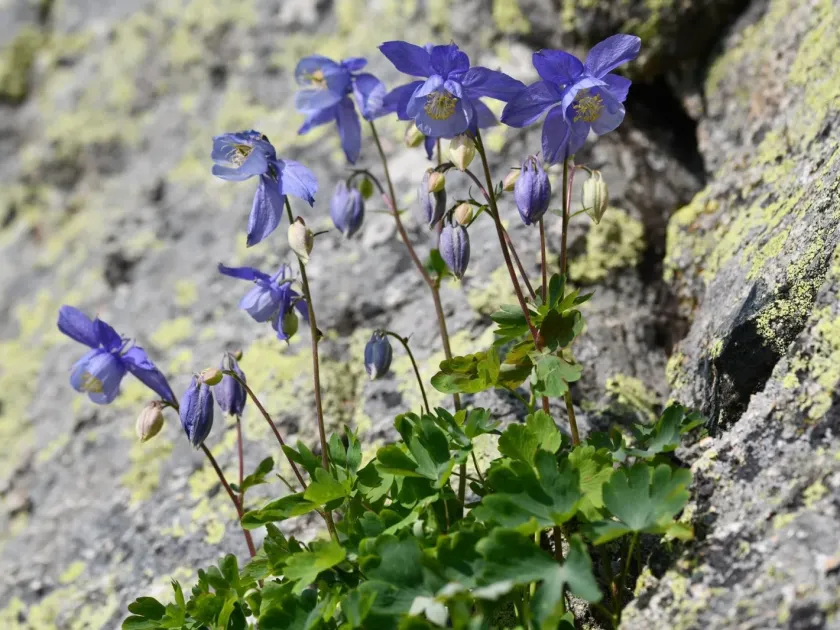
Bernard's columbine is a perennial plant belonging to the Ranunculaceae family, originating from the mountainous regions of Corsica. It is a hardy species that adapts well to various garden conditions but prefers environments that mimic its natural alpine home.
The plant thrives in fertile, loamy, and well-draining soils. While it prefers neutral to slightly acidic pH levels, it can tolerate a range of conditions provided that the soil is not overly heavy or prone to waterlogging.
Light requirements for this species include partial shade, especially in areas with intense afternoon sun. While it can grow in full sun in cooler climates, protection from the midday heat helps preserve the foliage and bloom quality.
Watering should be consistent but moderate, as established plants are somewhat drought-tolerant. However, during the active growing season, keep the soil slightly moist to promote healthy foliage development.
The species is highly winter-hardy and does not require special winter protection in most temperate zones. It will go dormant in the winter and emerge reliably once the soil warms in the spring.
Main diseases and pests
Powdery mildew is a common fungal issue that affects foliage during periods of high humidity and poor air circulation. Improving spacing and removing debris can help minimize the risk of infection.
Aphids and spider mites are the most frequent insect pests, especially in hot and dry weather. Regular inspection of the undersides of leaves and using gentle insecticidal soaps can manage these populations.
Slugs and snails may attack young plants, particularly in early spring. Applying barrier methods or using organic pest control can prevent these pests from damaging the tender tissues of the columbine.
Root rot is often the result of poor drainage or overwatering. If the plant shows signs of sudden wilting or yellowing, examine the roots immediately and improve the soil drainage before replanting.
- Apply mulch to retain moisture.
- Remove dead foliage after blooming.
- Monitor for early pest signs.