
Apodanthera undulata
Apodanthera undulata
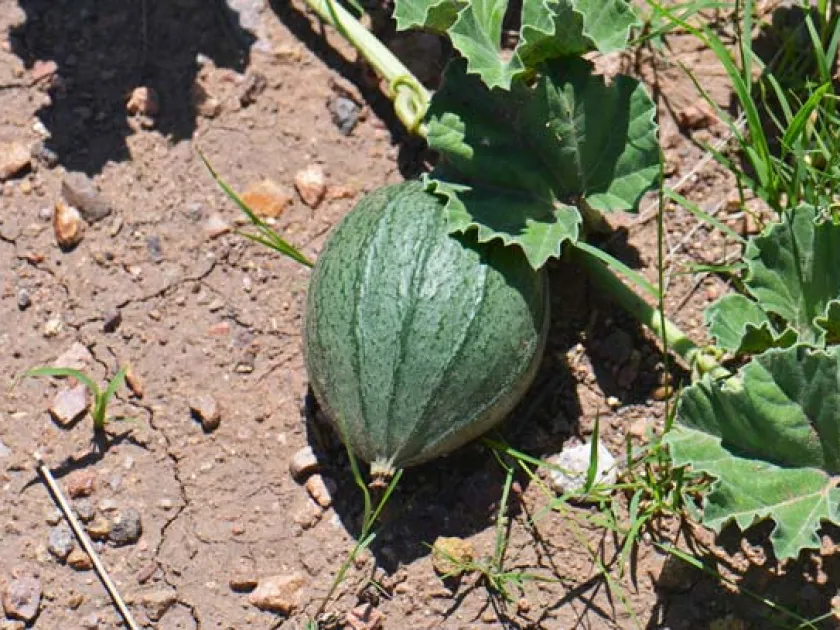
Description
Sowing dates
Sowing should take place in spring once the soil temperature is consistently above 15 degrees Celsius to ensure optimal germination of the seeds.
Due to the hard seed coat, scarification or pre-soaking in water for several hours is recommended to improve the success rate of seedling establishment.
Seeds are typically sown at a shallow depth of 2–3 centimeters to facilitate quick emergence and access to surface moisture during the early stages of growth.
Spacing is critical because the plants produce long, sprawling vines that require significant surface area to spread without competing for nutrients.
Low-input farming techniques, including the use of mulch to retain soil moisture, are highly recommended to support the initial growth cycle of Apodanthera undulata.
Growing requirements
Apodanthera undulata is a perennial herbaceous plant belonging to the Cucurbitaceae (gourd) family, known for its ability to thrive in harsh environments.
It is native to arid regions of North and South America, specifically adapted to the semi-desert climates found in parts of Mexico and the Southwestern United States.
The botanical structure of the plant features large, tuberous roots that function as water reservoirs, allowing the species to survive prolonged periods of drought.
Cultivation requires full sun exposure and sandy, well-draining soils that prevent waterlogging, which is a major risk factor for the development of root rot.
The plant is highly resilient to heat and poor soil nutrient conditions, making it a subject of interest for sustainable agricultural research in arid zones.
Yield
The economic value of this crop is primarily focused on its resilience, as it provides vegetation cover and potential biomass in regions where water is scarce.
While the fruits of wild types are often bitter, genetic research aims to stabilize traits for potential use as animal fodder in extreme climate environments.
Yield productivity is directly correlated with environmental stability, particularly during the flowering phase when the plant is most sensitive to erratic weather.
Tuberous roots may hold potential as starch sources in specific research settings, though widespread industrial production is currently limited by technical challenges.
As a soil-conserving species, the plant helps in fighting desertification, creating a micro-ecosystem that can improve the local agricultural output over time.
Main diseases and pests
Common threats to the crop include fungal pathogens, particularly powdery mildew, which thrive when humidity spikes even in generally dry environments.
Insect pests, such as spider mites and various aphid species, can infest the vine foliage during peak summer heat, reducing the plant's overall photosynthetic capacity.
Root rot is the most significant physiological threat, usually triggered by poorly draining soil or excessive irrigation practices that damage the root system.
Integrated pest management strategies are essential, focusing on monitoring for insect populations before they reach economic injury levels during the growth season.
Regular sanitation of the field, including the removal of dead plant debris, is recommended to prevent the overwintering of pathogens that could infect subsequent seasons.