
Blue lily grass
Aphyllanthes monspeliensis
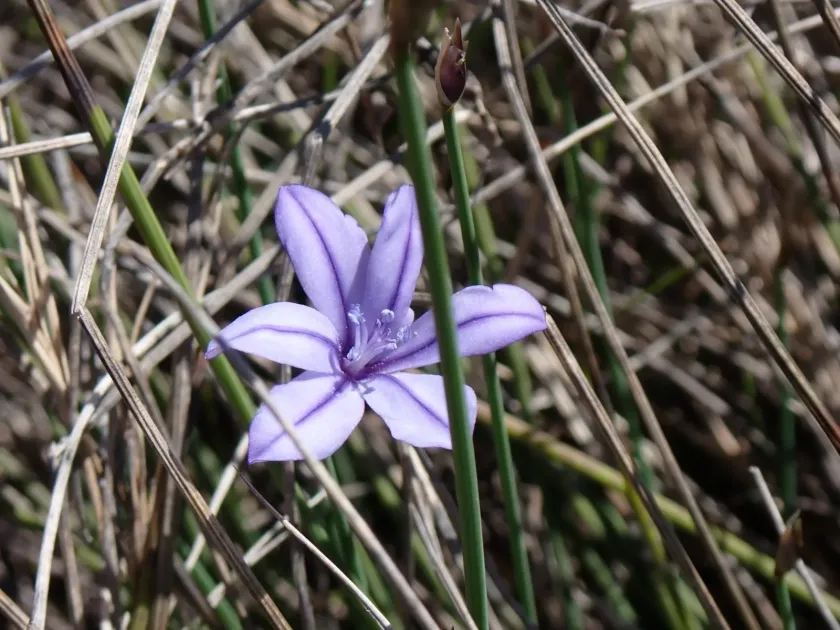
Description
Growing requirements
Aphyllanthes monspeliensis, commonly known as Blue lily grass, belongs to the Asparagaceae family. This distinct perennial plant is native to the western Mediterranean region, thriving in dry, rocky, and sun-exposed habitats.
The plant is unique for its reduced, scale-like leaves and its rush-like, photosynthetic stems. These features are evolutionary adaptations that allow the plant to thrive in regions with scarce water and intense solar radiation throughout the growing season.
The primary environmental requirement for Aphyllanthes is full sunlight. It is exceptionally drought-tolerant and requires minimal irrigation once the root system has established itself in the soil.
Soil quality should mimic the plant's natural environment, which means providing excellent drainage. Sandy, gravelly, or calcareous soils are ideal, as they prevent water stagnation which is detrimental to this species.
In terms of agricultural and horticultural use, the Blue lily grass is highly regarded for its aesthetic value in dry gardens or rockeries. Its ability to colonize poor soils makes it an excellent candidate for land stabilization projects in Mediterranean climates.
Main diseases and pests
The most significant threat to Aphyllanthes monspeliensis is overwatering. Excessive soil moisture, especially during the winter dormancy period, frequently leads to root rot, which is the leading cause of plant loss in cultivation.
While the plant is quite hardy, it is not immune to fungal pathogens when grown in poor air circulation. Overcrowding in landscapes can lead to higher humidity around the base of the plant, favoring the development of mold and mildews.
Insects are rarely an issue for this species due to the tough, fibrous nature of its stems. However, occasional minor infestations of sap-sucking pests may occur in protected or non-natural environments.
Preventative care involves ensuring proper drainage and keeping the crown of the plant dry. Avoiding heavy organic mulches around the base helps to prevent unnecessary moisture retention.
Proper plant spacing is vital to ensure adequate airflow. If signs of fungal disease appear, they should be treated promptly by pruning affected stems and improving the soil's drainage characteristics to prevent further spread.