
Apatococcus lobatus
Apatococcus lobatus
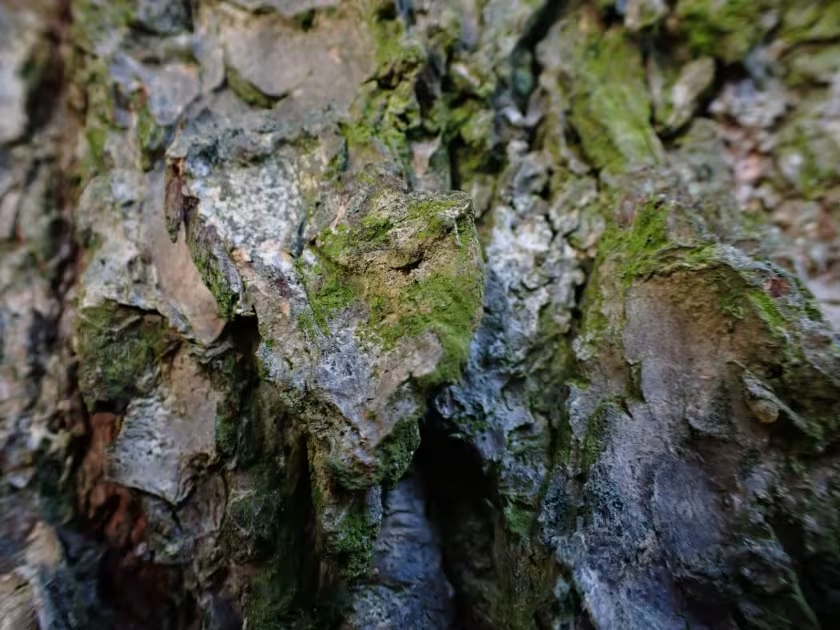
Description
Growing requirements
Apatococcus lobatus is a widespread terrestrial green alga belonging to the family Trebouxiaceae. This organism is highly adapted to aerophytic conditions, meaning it thrives on solid surfaces exposed to the atmosphere rather than in aquatic environments.
The primary habitat requirements for this species include consistent moisture from atmospheric humidity and sufficient surface stability, such as tree bark, rocks, or brickwork. It is notably resilient to high solar radiation due to specific photosynthetic pigment adjustments.
Climatic preferences include temperate conditions where humidity levels remain relatively high. Apatococcus lobatus exhibits remarkable flexibility, surviving in both shaded microclimates and areas with direct sun, provided there is enough moisture to prevent total desiccation.
Soil requirements are minimal because the alga obtains nutrients primarily through dry and wet atmospheric deposition. It is a pioneer species that can colonize surfaces lacking traditional organic soil, making it an essential component of urban and forest ecosystems.
The botanical structure is characterized by single cells or small colonies with distinct lobed chloroplasts. Reproduction is purely vegetative, allowing the alga to colonize new areas rapidly when environmental conditions favor cell division and growth.
Main diseases and pests
The most significant threat to the survival of Apatococcus lobatus is extreme and prolonged drought. While the organism can survive periods of desiccation in an inactive state, prolonged absence of moisture will eventually lead to cell death and colony collapse.
Competition for substrate space with lichens and other bryophytes can severely limit the growth of Apatococcus populations. Lichens, in particular, often overgrow the algal mats, depriving them of the light necessary for photosynthesis.
Chemical stress from industrial pollutants and agricultural runoff can adversely affect the cell walls and internal metabolic processes of the alga. Although it has some tolerance to heavy metals, acute exposure to specific fungicides can wipe out local colonies effectively.
Human activities, such as high-pressure cleaning of facades and tree maintenance (e.g., stripping bark), represent major mechanical threats to established colonies. These actions remove the substrate, forcing the alga to restart its colonization process from scratch.
Microscopic predators, including various species of nematodes and rotifers, are primary biological threats. In humid conditions, these organisms can consume large sections of the algal growth, significantly reducing the density and overall health of the colony.