
Antizoma capensis
Antizoma capensis
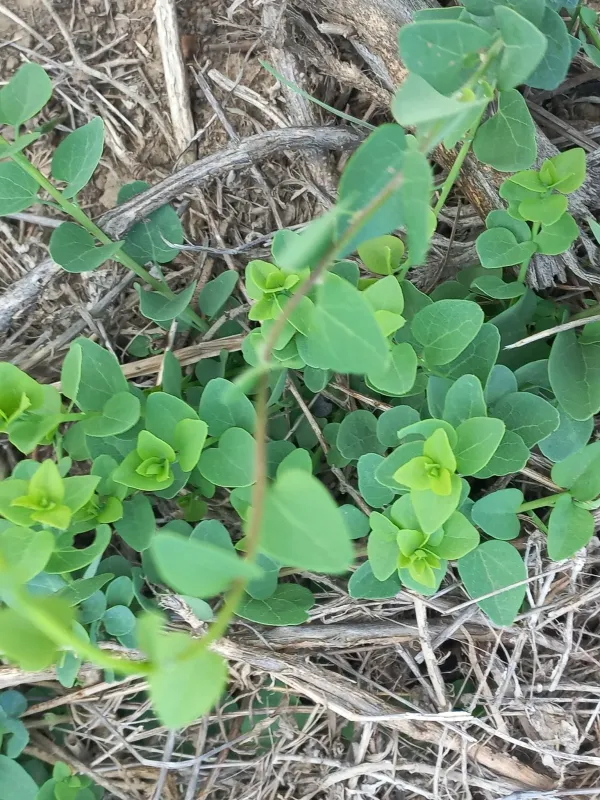
Description
Growing requirements
Antizoma capensis is a perennial subshrub belonging to the Menispermaceae family. Native to the arid regions of Southern Africa, it is a hardy species that has evolved specific morphological adaptations to survive in harsh, water-limited environments.
The botanical structure of the plant consists of a woody base with slender, climbing, or scrambling stems. These features provide structural resilience, allowing the plant to navigate stony substrates and maximize exposure to light in sparsely vegetated habitats.
The species thrives in well-drained, sandy, or rocky soils, which are typical for the Karoo ecosystem. It exhibits remarkable tolerance to saline conditions and is highly efficient at water uptake, making it a subject of interest for drought-adaptation studies.
Regarding climate, Antizoma capensis requires consistent warmth and intense solar radiation. It is categorized as a xerophyte, capable of maintaining metabolic functions during prolonged dry spells through physiological adjustments in its transpiration rates.
From a utility perspective, this plant has a historical significance in indigenous medicinal practices. Current research focuses on the alkaloids present in its tissues, which may hold promise for pharmacological applications in treating inflammation and other health conditions.