
Antiphytum heliotropioides
Antiphytum heliotropioides
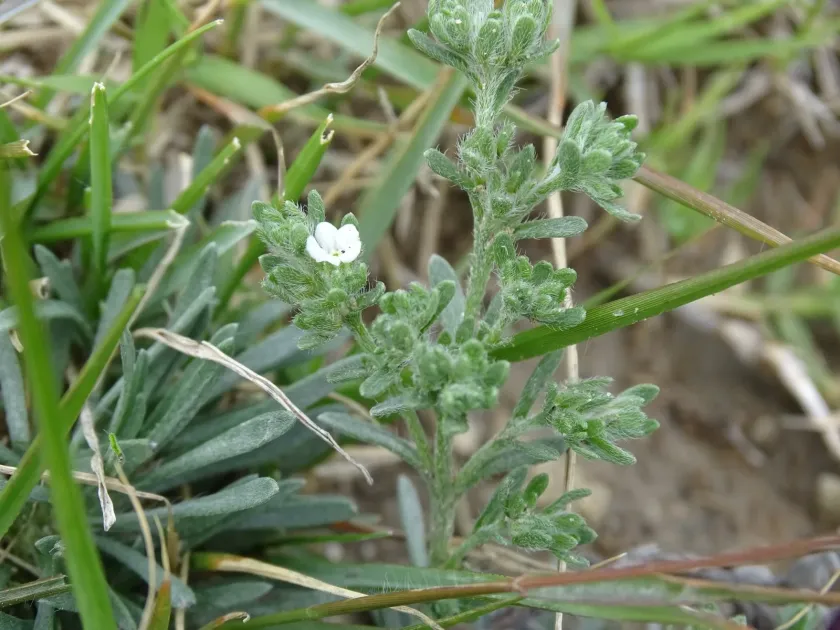
Description
Sowing dates
Antiphytum heliotropioides belongs to the Boraginaceae family. It is a perennial herbaceous plant naturally occurring in the South American regions, particularly in Brazil.
The plant has a specific biological architecture that allows it to thrive in nutrient-poor soils. Its roots are adapted to find moisture in deep soil layers during the dry season.
When cultivating this species, sowing should occur in early spring. The seeds require specific temperature conditions to germinate successfully, ideally around 18–20 degrees Celsius.
It is recommended to use pots or trays with a sterile substrate for the initial stage. Proper drainage at the bottom of the container is essential to prevent seed rot.
Transplanting into open ground is recommended only after the risk of frost has completely passed. The plant prefers stable conditions without sudden changes in its environment.
Growing requirements
This species requires well-drained, porous soil to grow effectively. Heavy clay soils are unsuitable and should be improved with sand or organic matter before planting.
Sunlight is a key factor for development. The plant needs at least 6–8 hours of direct or filtered sunlight per day to maintain its natural vigor.
Irrigation practices must be controlled. During the active growing period, water only when the top layer of the soil feels dry to the touch.
Nutritional needs are modest. A balanced slow-release fertilizer is sufficient to provide the necessary elements for the vegetative season.
Temperature management is important as the plant is not highly cold-tolerant. In regions with harsh winters, protection or greenhouse cultivation is highly advised.
Main diseases and pests
The most common threat to Antiphytum heliotropioides is root rot caused by poor soil drainage and waterlogging.
Fungal leaf spots can occur if the humidity levels are persistently high combined with poor air circulation around the plants.
Insect pests such as spider mites can infest the foliage, particularly under dry and hot indoor or greenhouse conditions.
Aphids can also attack new, succulent growth. Monitoring the undersides of the leaves is crucial for early detection of these pests.
Integrated pest management, including regular inspection and manual removal of affected parts, is the preferred method for maintaining plant health.