
Antinoria agrostidea
Antinoria agrostidea
Description
Growing requirements
Antinoria agrostidea is an annual grass species belonging to the Poaceae family. It is known for its delicate growth habit and its specific adaptation to aquatic and semi-aquatic environments, which defines its ecological distribution.
The native range of this plant covers the Mediterranean region, extending into parts of Southern Europe and Northern Africa. It thrives in habitats where the soil moisture levels are consistently high, such as pond margins and seasonally flooded meadows.
Regarding environmental conditions, the plant requires significant moisture and full sunlight to complete its lifecycle. Its physiological structure is evolved to manage water availability, allowing it to survive in areas that undergo fluctuations in soil saturation.
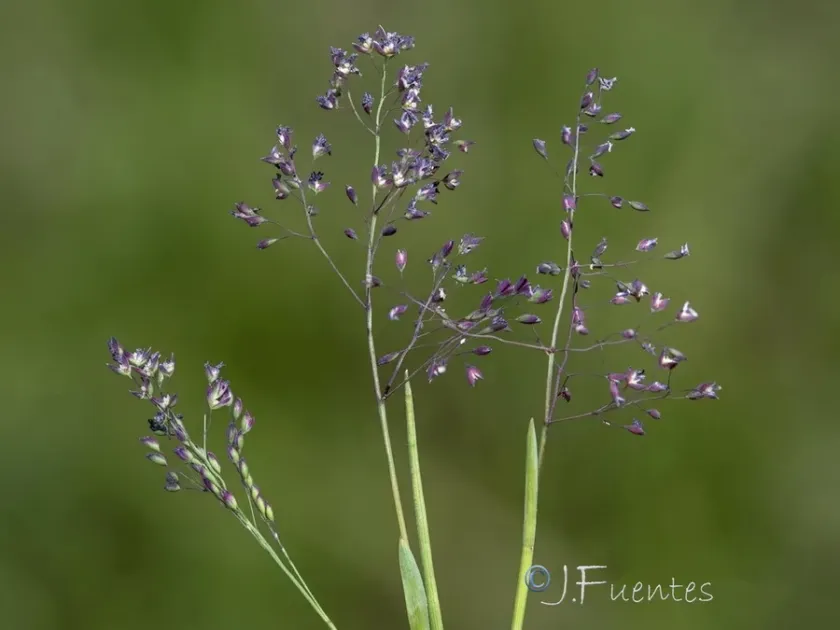
Botanically, Antinoria agrostidea is characterized by slender culms and open panicle inflorescences, which resemble those of the Agrostis genus. These morphological features are essential for its wind-pollination mechanism in open, moist landscapes.
While not a primary crop for intensive commercial agriculture, it serves as an important botanical constituent of natural grazing lands in its native range. Its ability to tolerate wet soil conditions makes it a valuable species for ecological restoration and preserving local biodiversity.