
Anomianthus dulcis
Anomianthus dulcis
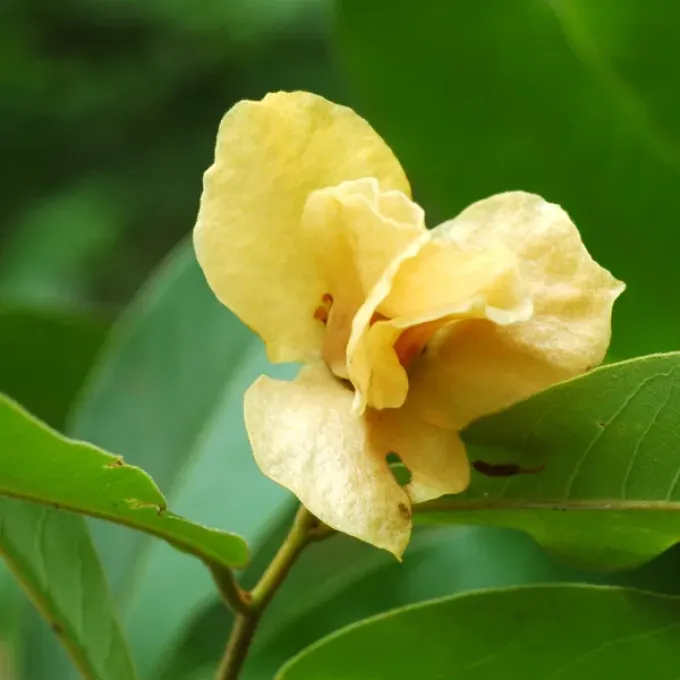
Description
Growing requirements
Anomianthus dulcis is a perennial woody shrub belonging to the Annonaceae family. Known for its climbing or sprawling habit, the plant typically thrives as part of the understory in tropical ecosystems, reflecting its adaptability within its native environment.
The species originates from the tropical regions of Southeast Asia, including countries like Vietnam and Laos. It requires a humid and warm climate, as it is strictly tropical and cannot withstand low temperatures or frost, making its cultivation area geographically constrained.
Requirements for successful growth include a rich, well-draining soil with a balanced pH level. As a plant naturally found in fertile tropical forest margins, it performs best when provided with high organic matter content in the growth medium.
Sunlight exposure is crucial for the development of its fruit; however, young plants may benefit from partial shade. As the plant matures, increasing its exposure to light enhances photosynthesis and promotes healthier flowering cycles.
Agricultural management requires consistent irrigation to maintain soil moisture, especially during the flowering and fruit-setting phases. Proper spacing between shrubs is essential to facilitate air circulation, which helps maintain plant vigor and reduces environmental stress.
Yield
The primary economic use of Anomianthus dulcis is its fruit, which is highly appreciated for its sweet flavor and aromatic properties. It serves as a traditional food source for local communities in its native range.
The fruit is consumed fresh and is also incorporated into various culinary preparations, including desserts and beverages. Its distinct taste profile makes it a unique addition to the regional repertoire of tropical fruits.
Yields are highly dependent on the maintenance of the shrub and the optimization of soil nutrition. Well-tended plants provide consistent harvests throughout the year, supporting local markets and sustainable household food production.
Post-harvest handling is a significant challenge, as the fruits are perishable and require immediate consumption or processing. This limits the commercial distribution of the fruit to local areas and short-distance trade.
Ongoing agricultural interest focuses on selecting varieties with better shelf life and fruit size. By improving propagation techniques, farmers aim to increase total production while maintaining the plant's characteristic flavor qualities.
Main diseases and pests
Common pests include sap-sucking insects like mealybugs and scale, which can significantly weaken the plant if left unchecked. Integrated pest management strategies, emphasizing biological controls, are standard in sustainable farming.
Fungal infections are a major threat, particularly in environments with poor ventilation or high humidity. Regular pruning is necessary to ensure adequate airflow within the canopy, preventing the onset of mold and rot.
Waterlogging is a major risk factor for root health, often leading to decay. Maintaining a high-quality drainage system within the cultivation plot is vital to preventing soil-borne pathogens from compromising the plant's structural integrity.
Monitoring for signs of nutrient deficiency or pathogenic stress is part of the standard daily routine for growers. Early detection of leaf discoloration or wilting allows for quick corrective actions that prevent losses.
Using certified, disease-resistant plant stock is the most effective approach for minimizing long-term threats. By prioritizing phytosanitary standards, growers can reduce the need for chemical intervention and ensure a healthy crop yield.