
Anisopogon avenaceus
Anisopogon avenaceus
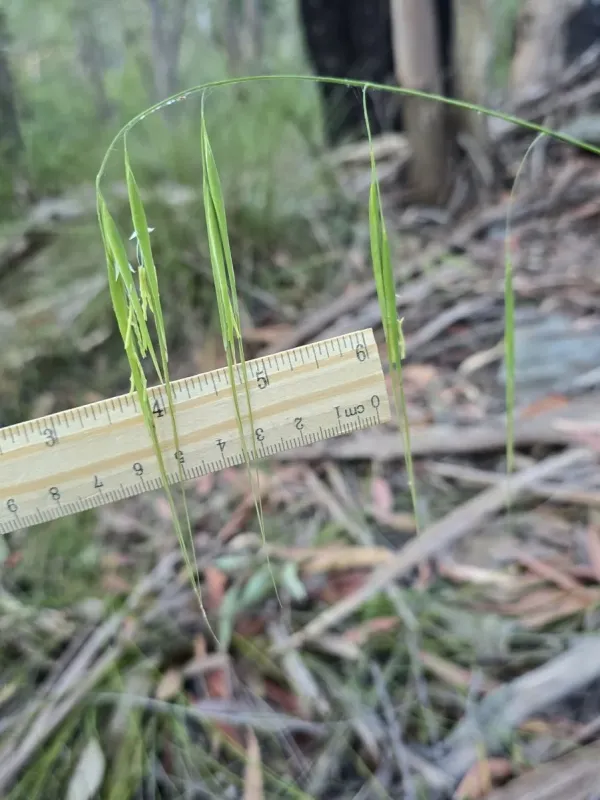
Description
Growing requirements
Anisopogon avenaceus is a perennial grass species belonging to the Poaceae family. Primarily native to Australia, this plant is well-adapted to the local ecosystems, often found in open forests and woodland areas where it forms a significant part of the herbaceous ground cover in diverse vegetation types.
Botanically, this species is recognized by its distinct, oat-like spikelets which give it a unique appearance compared to other native grasses. It features slender leaves and a tufted growth habit, allowing the plant to effectively occupy space and withstand various environmental stressors characteristic of its native habitat.
The environmental requirements for Anisopogon avenaceus involve well-drained soils and temperate climatic conditions. It thrives in loamy or sandy soil compositions that provide moderate moisture retention without the risks associated with waterlogging, which can be detrimental to its root system development.
Regarding agrotechnical practices, establishing a healthy stand of this grass requires careful soil preparation to eliminate competing weeds. Because the seedlings are relatively slow to establish, managed conditions in the early growth stages are essential to ensure the plant reaches maturity and develops its robust root system.
In terms of agricultural use, the species is valued for its role in grazing systems and soil conservation. Due to its dense root architecture, it serves as an excellent ground cover, helping to prevent soil erosion on slopes while providing a steady, albeit moderate, source of forage for livestock in its native range.
Main diseases and pests
Anisopogon avenaceus is susceptible to various common fungal diseases, including leaf rust and powdery mildew. These pathogens typically emerge when humidity levels are high, creating a microenvironment that facilitates the spread of spores and can lead to significant degradation of the foliage quality.
Pest populations that affect this grass include various insects such as aphids and grass-feeding flies. These pests can extract vital plant juices and introduce viral pathogens, leading to stunted growth and reduced biomass, which ultimately impacts the agricultural value of the crop in grazing rotations.
Effective management against these threats relies on regular field monitoring and the maintenance of optimal grazing pressure. Avoiding overgrazing is critical, as it prevents the plant from exhausting its energy reserves, thereby maintaining its natural resistance to environmental stress and opportunistic pest outbreaks.
Strategic timing of management activities, such as mowing or light controlled burning in some regions, can help rejuvenate the stand and reduce the accumulation of dead plant material. This practice assists in limiting the habitat for certain pests and pathogens that tend to overwinter in dense, neglected vegetation.
Climate-related stressors, specifically prolonged drought conditions, remain a significant challenge for the productivity of the plant. Although adapted to dry periods, sustained moisture deficit can significantly limit the growth rate and reduce the nutritional content of the forage, necessitating cautious grazing management.