
Angelonia angustifolia
Angelonia angustifolia Benth.
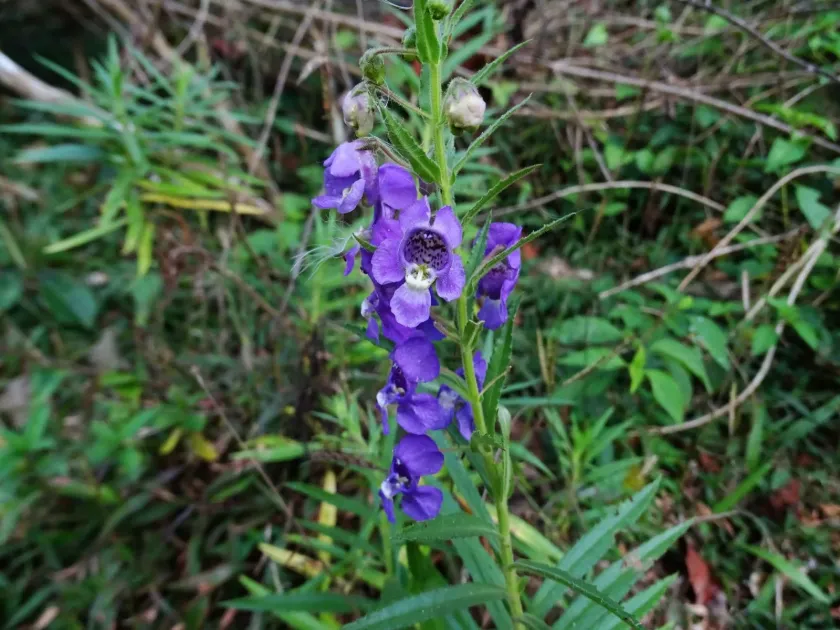
Description
Sowing dates
Angelonia angustifolia, commonly known as the summer snapdragon, belongs to the Plantaginaceae family and is widely valued as an ornamental crop.
Propagation is primarily done via seeds started indoors. Seeds should be sown on the surface of a fine, moist substrate about 10–12 weeks before the last frost date.
Light is crucial for germination; therefore, seeds should not be covered with soil, and a temperature of 22–25 degrees Celsius must be maintained.
Seedlings are typically transplanted once they reach a sufficient size to handle, usually into individual pots or cell trays for further development before outdoor hardening.
Hardening off is a mandatory process before transplanting into the field to ensure the plants can withstand changing outdoor conditions without shock.
Growing requirements
This crop thrives in full sun, which is essential for developing a compact, upright, and highly floriferous architecture throughout the summer months.
Well-drained, fertile soil is a requirement; heavy soils that retain too much water are unsuitable as they quickly lead to root decay in angelonia.
Moisture management is key: while the plant is somewhat drought-tolerant once established, it requires consistent watering to reach its full flowering potential.
Good air circulation is vital in greenhouse production or dense landscape plantings to prevent humidity-related issues like fungal leaf spots.
Balanced fertilization with a focus on phosphorus and potassium during the flowering stage helps sustain high-quality blooms and strong stems.
Main diseases and pests
Root rot is the most common agronomic issue for Angelonia angustifolia, usually caused by overwatering or poor drainage systems in the potting media.
Powdery mildew can affect the foliage if the plants are crowded or if air humidity levels remain constantly high without sufficient ventilation.
Aphids and whiteflies are the primary insect pests that target the tender terminal growth, requiring timely monitoring and occasional chemical or biological intervention.
Thrips may cause distortion of the flower spikes, which significantly impacts the commercial marketability of the plants for landscaping purposes.
Integrated pest management, including sanitation and proper spacing, is highly effective in maintaining healthy batches of the crop during the production cycle.
Harvesting
The primary use of angelonia is as a bedding plant, in containers, and as a long-lasting cut flower in professional floristry and home decor.
For cut flowers, harvest is performed in the early morning when the lower buds on the spike have just opened to maximize vase life.
Deadheading or trimming the flower stalks once they have finished blooming encourages the plant to produce a new flush of spikes throughout the season.
Proper harvest management is essential in the nursery trade, where crops are timed to coincide with regional spring planting seasons for maximum sales.
The plant remains highly ornamental until the first frost, making it a reliable and versatile choice for late-season color in diverse climatic zones.