
Androstachys johnsonii
Androstachys johnsonii
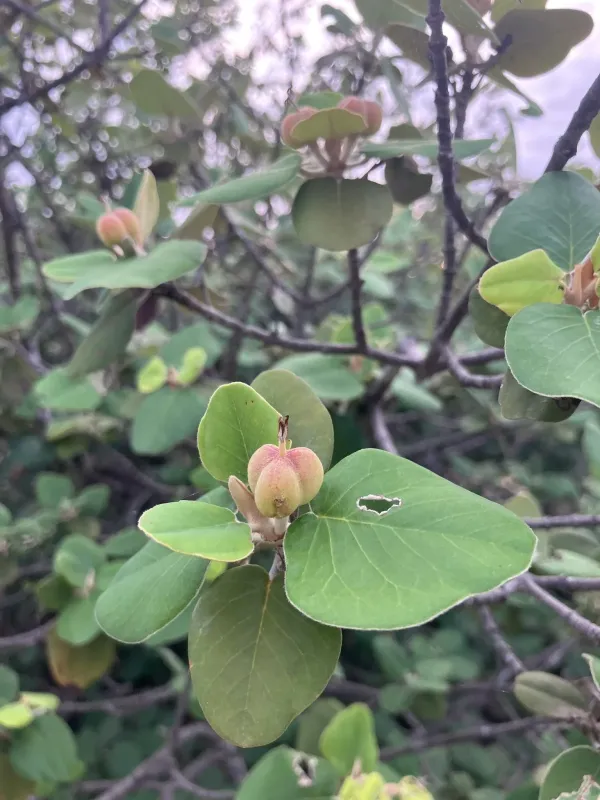
Description
Growing requirements
Androstachys johnsonii, commonly known as the Lebombo ironwood, belongs to the Euphorbiaceae family. It is a slow-growing evergreen tree species recognized for its exceptionally dense and hard timber, which is among the strongest in the world.
The species is native to parts of Southern Africa, including Mozambique, South Africa, and Madagascar. It typically inhabits dry, rocky slopes and well-drained terrain, demonstrating high adaptability to arid environments and seasonal water scarcity.
For cultivation purposes, the tree requires well-drained sandy or loamy soils. It thrives in locations with consistent solar radiation and cannot tolerate waterlogged conditions, which lead to significant physiological stress and root death.
Climate requirements include tropical or subtropical temperatures with a defined dry season. While it is highly drought-tolerant, young seedlings require initial irrigation and protection until their root systems are fully established in the soil.
The primary economic use of this timber is in high-end construction, boat building, and flooring. Its natural resistance to decay, termites, and wood-boring insects makes it an exceptionally valuable product in international markets.
Main diseases and pests
The primary challenge in managing Androstachys johnsonii is its extremely slow growth rate, which necessitates long-term strategic planning for forestry operations and sustainable harvesting cycles to ensure future availability.
Pathogen risks are relatively low in adult trees due to high concentrations of natural resins and tannins. However, nursery-stage saplings are susceptible to soil-borne fungi if drainage protocols are not strictly followed.
Pest management should focus on preventing damage to the stem, which can provide entry points for secondary infections. Routine inspections are necessary to ensure the health of young stands during the canopy-closing phase.
Environmental threats involve excessive moisture from unseasonal rain, which can adversely affect the root health of this xerophytic species. Ensuring optimal site selection is the best preventative measure against such issues.
Integrated pest management strategies for this species prioritize biological control to minimize ecological impact. Proper spacing between trees is also critical to promote air circulation and reduce the incidence of fungal diseases within a plantation.