
Androlepis skinneri
Androlepis skinneri
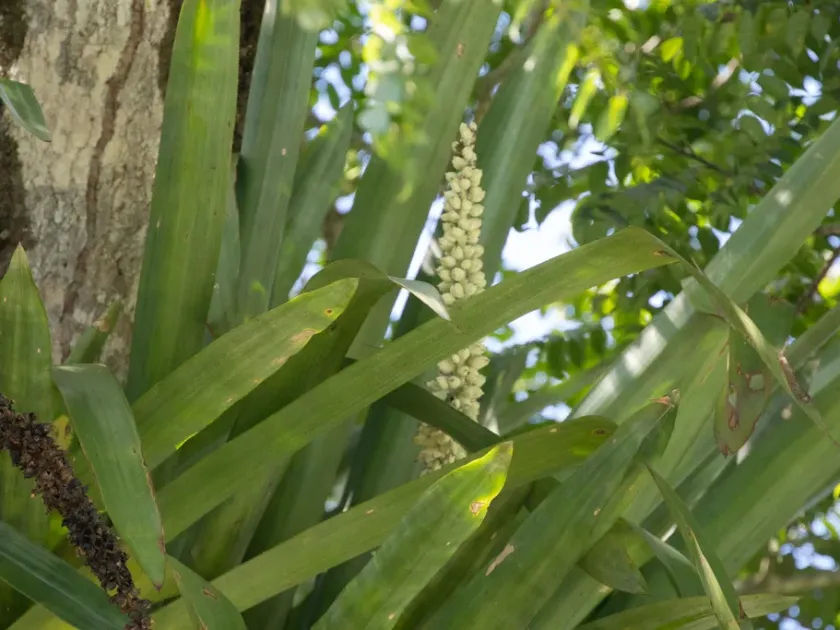
Description
Growing requirements
Androlepis skinneri is a remarkable perennial epiphytic plant belonging to the Bromeliaceae family. Native to the humid tropical forests of Central America, this species primarily thrives in the canopy of trees, utilizing its specialized root system to anchor itself and absorb nutrients from the environment.
The plant is distinguished by a robust rosette of spiny, tough leaves that serve to trap moisture and organic matter. This structural adaptation is essential for survival in its natural habitat, where water sources are often limited to rainfall and ambient humidity found at higher altitudes.
Cultivation requires strict adherence to tropical conditions, with temperatures ideally ranging between 22 and 26 °C. The species demands high humidity levels and a protected environment where air circulation is present but drafty conditions are avoided at all costs.
The growing medium should mimic natural epiphytic conditions, consisting of a well-draining mix of pine bark, charcoal, and sphagnum moss. Ensuring the roots are never left in saturated, stagnant water is critical for preventing physiological stress and root system degradation.
While not a major commercial crop, Androlepis skinneri holds significant value in botanical collections and specialized interior landscaping. Its exotic appearance and intricate inflorescence structure make it a focal point in conservatory environments and private exotic plant collections.
Main diseases and pests
The primary threats to this bromeliad are related to poor horticultural management, particularly overwatering in low-light environments. Such conditions promote the growth of fungi and bacteria, which can quickly rot the central rosette and kill the specimen.
Insect pests, including scale insects and mealybugs, are frequent challenges. These organisms hide in the tight bases of the leaves, making them difficult to eradicate without consistent monitoring and the use of targeted systemic or contact insecticides.
Spider mites are common in environments with inadequate humidity. The damage manifests as stippling on the leaves, leading to reduced photosynthesis and overall decline. Maintaining humidity above 70% is the most effective preventative measure against these arachnids.
Bacterial leaf spots may occur if water remains trapped in the rosette for extended periods during cold weather. Ensuring that the foliage can dry off sufficiently between watering cycles is essential for mitigating these pathogenic threats.
Proper sanitation and the removal of dying tissue prevent the spread of pathogens throughout the collection. Regularly checking the drainage holes of the containers ensures that the plant does not sit in water, keeping it healthy and resilient against potential infections.