
Anaphaloides bellidioides
Anaphaloides bellidioides
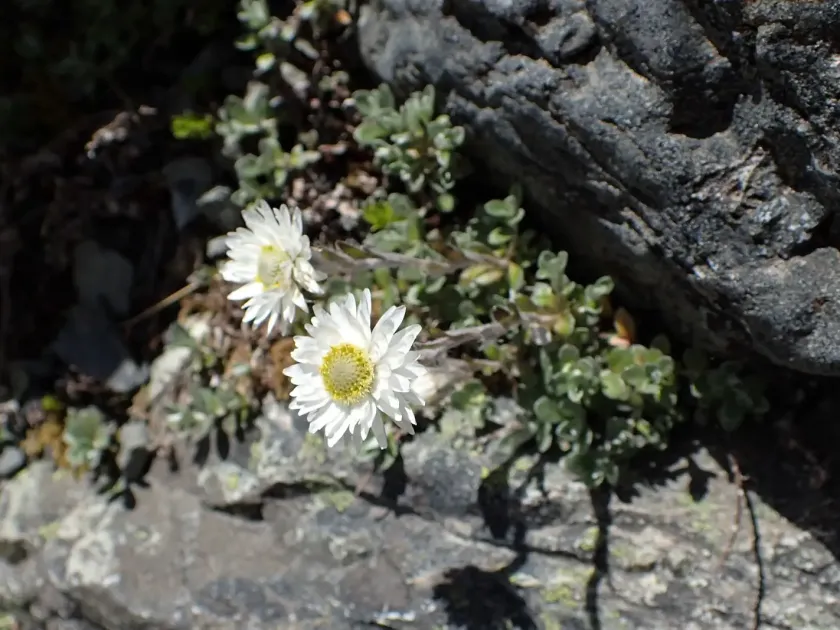
Description
Growing requirements
Anaphaloides bellidioides is a perennial herbaceous plant belonging to the Asteraceae family. Originating from the mountainous regions of New Zealand, it has evolved to thrive in harsh, rocky environments.
Botanically, the species is characterized by its prostrate, mat-forming growth habit and leaves covered in dense, silvery-white tomentum. This specialized foliage is an evolutionary trait to manage water loss and protect the plant from high-altitude solar radiation.
Agricultural success depends on mimicking its natural habitat. The plant requires well-drained, gritty, and nutrient-poor soils. Excessive moisture or high fertility levels lead to poor plant vigor and root rot, significantly reducing its lifespan.
The ideal environment for this species includes open, sunny locations with good air circulation. While it exhibits significant cold hardiness, it remains highly sensitive to winter wetness, which is the most frequent cause of failure in temperate garden settings.
It is primarily utilized as an ornamental groundcover for rock gardens, scree beds, and alpine troughs, where its unique silver color and low profile provide a high-contrast aesthetic during the growing season.
Main diseases and pests
The most significant threat to Anaphaloides bellidioides is root rot caused by poor soil drainage. Ensuring that the substrate remains dry, especially during winter months, is essential for plant health.
Fungal diseases, such as powdery mildew, may affect the foliage if plants are overcrowded or if humidity levels remain consistently high without adequate ventilation.
Slugs and snails are the primary pests that damage the vegetative parts. They are particularly active during cool, damp spring weather, feeding on the soft growth of the mats.
Excessive fertilizer application encourages rapid, weak growth that becomes highly susceptible to various fungal pathogens, which can destroy the compact structure of the plant.
General maintenance should focus on monitoring for signs of rot at the base and removing any debris that might trap moisture around the delicate crown of the plant.