
Amphoricarpos neumayerianus
Amphoricarpos neumayerianus
Description
Growing requirements
Amphoricarpos neumayerianus is a rare perennial herbaceous plant belonging to the Asteraceae family. It is an endemic species native to the high-altitude mountainous regions of the Balkan Peninsula, where it thrives in extreme environmental conditions.
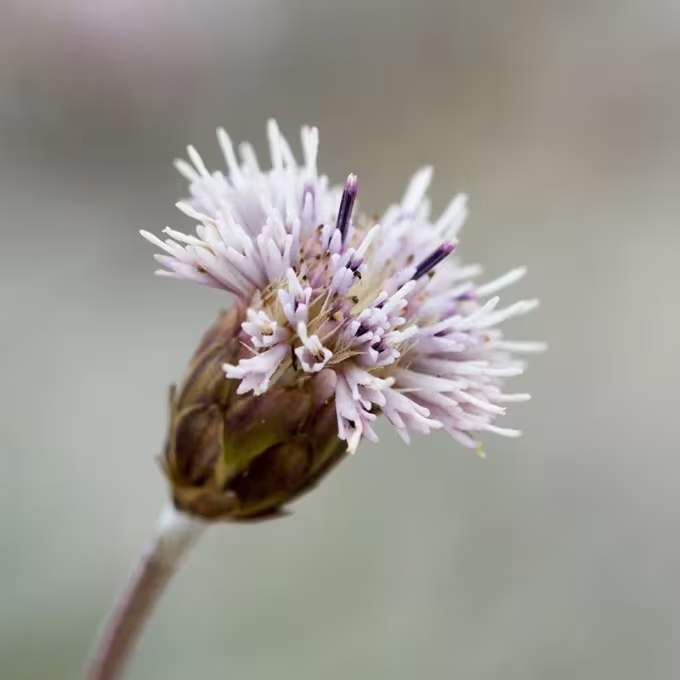
The plant possesses unique botanical features, including a compact basal rosette and specialized flower heads shaped like jars. This adaptation allows the species to survive in crevices of limestone rocks with minimal soil substrate, showcasing its efficiency in nutrient and water utilization.
Cultivation requires conditions that strictly mimic its natural alpine habitat. This includes a highly porous, gritty, and mineral-based soil mixture that ensures rapid drainage. The species is highly intolerant to moisture-retentive, organic-rich soils.
Environmental conditions must include full exposure to solar radiation. In cultivation, the plant requires significant light intensity to maintain its compact form and to initiate reproductive cycles; shade or partial light leads to etiolation.
Temperature requirements are centered on the plant's alpine nature. It is capable of withstanding freezing temperatures, provided the soil remains dry. During the active growing season, it prefers moderate temperatures combined with excellent air circulation to prevent overheating of the root zone.
Main diseases and pests
The primary threats to Amphoricarpos neumayerianus include fungal pathogens such as Pythium and Phytophthora, which thrive in waterlogged soil conditions. Root rot is the most common cause of mortality in cultivated specimens.
Insects like spider mites or aphids may occasionally infest the plant, particularly in confined or poorly ventilated environments. Early intervention with suitable horticultural soaps is usually sufficient to manage such pests.
Winter survival is threatened by excessive moisture during the dormant period. Without proper drainage, the crown of the plant is susceptible to cold-induced necrosis exacerbated by water accumulation.
Competition from weeds is a significant threat during the seedling and establishment stages. Because the plant is a slow-growing specialist, it lacks the vigor to compete with faster-growing weeds for light and minerals.
Environmental instability, including climate change impacts on its native alpine niche, poses a long-term threat to the species' genetic diversity and population health, requiring careful ex-situ conservation measures.