
Ampalis
Ampalis dimepate
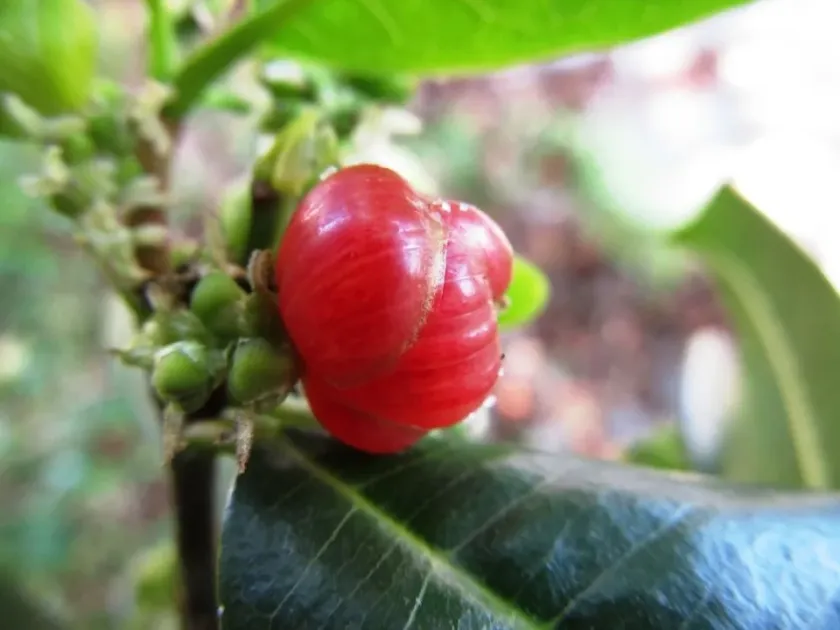
Description
Sowing dates
The optimal sowing time for Ampalis occurs during periods of stable soil warming, when temperatures at planting depth reach +12–14°C.
In regions with temperate climates, sowing is recommended in mid-spring, allowing the crop to efficiently utilize seasonal soil moisture reserves.
When utilizing transplanting methods, seeds are sown in specialized containers 30–40 days before the anticipated date of field transplantation.
A critical factor during sowing is maintaining proper plant spacing, which must align with varietal characteristics to ensure optimal nutrient intake.
The depth of seed placement during direct field sowing typically ranges from 2 to 4 centimeters depending on soil mechanical composition.
Growing requirements
Ampalis has high requirements for soil fertility, preferring well-aerated loamy or sandy soils with a neutral chemical reaction.
The crop is light-loving; therefore, selecting open, sunny locations protected from cold northern winds is essential for vigorous development.
For maximum productivity, Ampalis requires regular, moderate irrigation while avoiding waterlogging, which can trigger root rot diseases.
The temperature optimum for the active vegetative stage is between +20–25°C, as sharp fluctuations negatively impact product quality.
The plant’s nutritional management should include complex mineral fertilizers enriched with micronutrients during active biomass formation.
Yield
Potential Ampalis yield depends directly on adherence to cultivation technology and precise nutrient application strategies in the soil.
In industrial production, provided that maintenance standards are met, harvest averages typically range from 15 to 25 centners per hectare.
On experimental plots using intensive irrigation and stress protection, growers often achieve significantly higher results in total commodity weight.
Crop yield correlates strongly with seed quality and the timeliness of weed control measures conducted at the beginning of the vegetative phase.
Yield stability is largely determined by the plant's varietal resistance to climatic fluctuations characteristic of the growing region.
Main diseases and pests
Among the primary phytopathogens affecting Ampalis are fungal diseases that proliferate in conditions of high air humidity.
Pests, particularly sucking insects, can cause significant damage to young shoots, thereby reducing the overall photosynthetic activity of the plant.
- Powdery mildew
- Root rot
- Aphids
- Thrips
Disease prevention strategies include strict adherence to crop rotation, ensuring the plant does not return to the same plot for at least three years.
The use of biological plant protection agents is preferred to maintain the environmental purity and quality of the resulting harvest.
Harvesting
Harvesting of Ampalis begins during the phase of full technical maturity, once ripening indicators appear across all vegetative organs.
Timely harvesting is critical to prevent over-ripening, which can adversely affect the physical and chemical properties of the produce.
For mechanized harvesting, specialized combines with adjusted working components are utilized to minimize losses during threshing or cutting.
Post-harvest processing involves cleaning and adjusting grain or fruit moisture levels to meet standards required for long-term storage.
Stored produce must be kept in dry, well-ventilated facilities with controlled temperatures to prevent spoilage and ensure shelf-life longevity.