
Ammannia baccifera
Ammannia baccifera L.
Description
Growing requirements
Ammannia baccifera, commonly known as Blistering Ammannia, is an annual herb belonging to the Lythraceae family. It is widely recognized for its preference for wetland habitats, marshes, and riverbanks across tropical regions of Asia, Africa, and Australia.
The plant is considered a significant hygrophyte, thriving in environments where soil moisture is near or above saturation levels. It is frequently found as a weed in rice paddies due to its ability to tolerate flooded conditions.
Cultivation requires warm climatic conditions as the plant is intolerant to frost and cold stress. Optimal growth is achieved during periods of high humidity and high temperatures, which facilitate its rapid life cycle.
Soil requirements for Ammannia include nutrient-rich substrates, preferably alluvial or silty soils that maintain moisture. A neutral to slightly acidic pH is generally preferred to maximize nutrient uptake from the moist substrate.
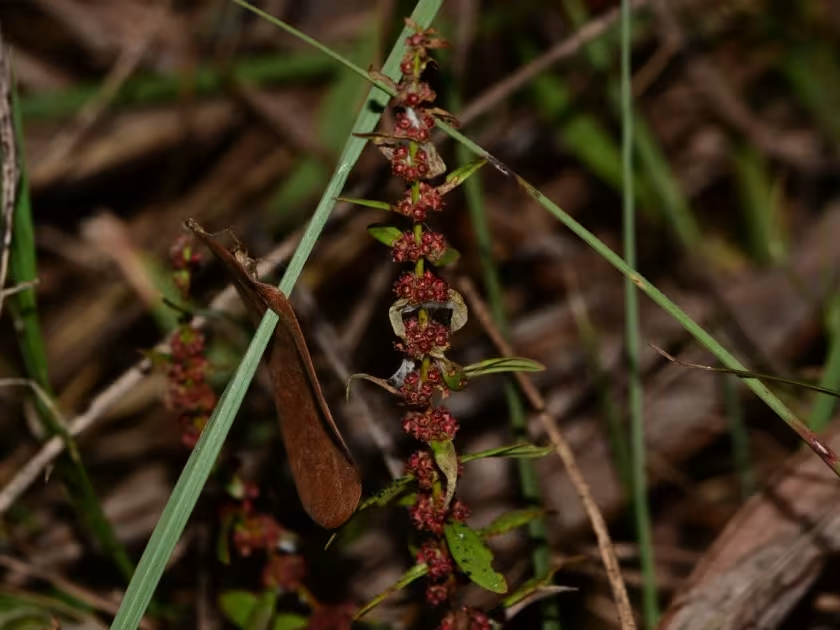
Morphologically, the plant features sessile leaves and dense clusters of small flowers. Its reproductive strategy is highly efficient, allowing it to colonize disturbed moist environments quickly, which is why it is often managed as a spontaneous crop.
Main diseases and pests
Fungal pathogens represent the most significant threat to Ammannia baccifera, particularly under conditions of poor ventilation and stagnant water. Root rot is a common issue that can lead to crop failure if left unmanaged.
Insect pests, such as aphids and spider mites, often target the succulent foliage. Heavy infestations can significantly decrease the plant's biomass, which is critical for those harvesting the herb for traditional medicinal uses.
Competition from other aggressive wetland weeds often necessitates manual or controlled weeding. Because the plant is small, it can easily be outcompeted by larger, more vigorous species in native habitats.
Bacterial diseases can manifest as leaf spots when humidity is excessive and temperatures fluctuate. Proper spacing between individual plants is necessary to promote air circulation and mitigate these risks.
Environmental stress, including unexpected droughts or changes in water table levels, can severely stunt the plant. Maintaining a stable irrigation schedule is essential for the sustained production of the crop.