
Amischophacelus axillaris
Amischophacelus axillaris
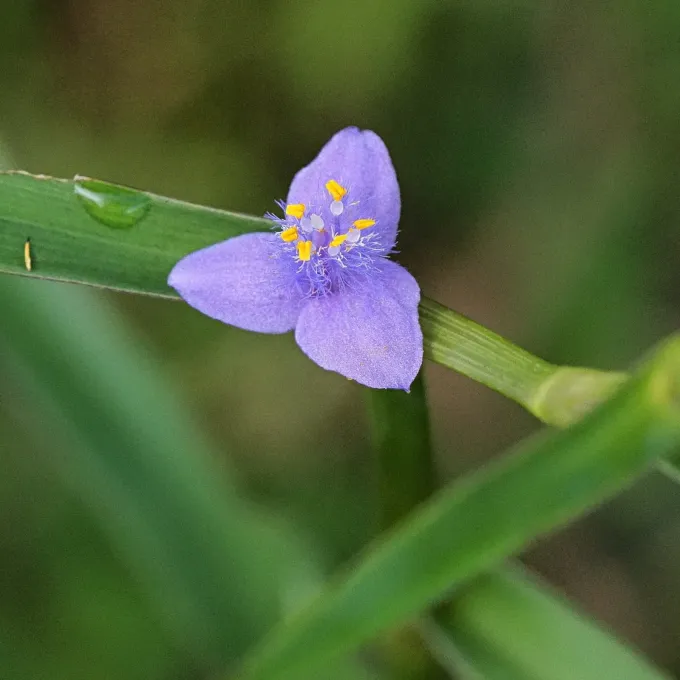
Description
Sowing dates
Amischophacelus axillaris is a member of the Commelinaceae family. This species is native to tropical regions and thrives in wetland environments, frequently found in swampy fields or paddy irrigation zones.
Sowing typically occurs at the onset of the rainy season. The seeds require consistent surface moisture to trigger germination, making precise moisture control during the establishment phase vital for success.
Given the small seed size, broadcasting is the most common method of planting. It is essential to achieve uniform distribution to ensure that the canopy closes rapidly, effectively shading out competitive weeds.
Modern agricultural practices often involve soil preparation that preserves natural humidity, ensuring that the seedlings do not suffer from dehydration before their root systems can tap into deeper water reservoirs.
The plant demonstrates a remarkably short life cycle in optimal conditions, allowing for multiple successions of planting within a single extended growing season in tropical latitudes.
Growing requirements
This crop is strictly adapted to high-moisture conditions. Unlike most traditional row crops, it can survive and prosper in waterlogged soils that would typically induce root rot in other plant species.
The ideal soil substrate for this crop is a nutrient-rich loam or clay that provides good water retention capacity. Neutral to slightly acidic pH levels are generally considered the most beneficial for nutrient uptake.
While the plant can tolerate partial shade, maximum biomass production is achieved in full sunlight. High light intensity facilitates the accelerated metabolic processes required for rapid growth.
The plant requires a tropical or warm subtropical climate without the threat of frost. Temperatures consistently above 20°C are necessary to maintain physiological activity and prevent dormancy.
Fertilization with organic matter or nitrogen-rich synthetic fertilizers is highly effective, as the crop's rapid growth rate demands a steady supply of nutrients to prevent deficiencies in the leaves.
Main diseases and pests
The primary threats include fungal diseases that propagate in humid, stagnant environments, such as leaf blight or collar rot, which can significantly damage the stand if unchecked.
Pests are generally limited to generalist insects, including caterpillars and certain species of grasshoppers, which find the succulent foliage particularly attractive during the peak growth season.
Proper field management, including the maintenance of drainage channels to prevent water stagnation that does not facilitate plant growth, is a standard preventative measure.
Integrated Pest Management (IPM) protocols are recommended to minimize chemical reliance, focusing on biological controls that protect the integrity of the plant biomass for fodder.
Routine inspection for signs of chlorosis or leaf spot is essential, as early detection allows for corrective measures before the disease spreads across the entire field.
Harvesting
Harvesting is typically timed just before the onset of flowering. At this stage, the plant has reached its peak nutritional value, specifically regarding protein content and fiber digestibility.
Mechanical harvesting via mowing is efficient for large-scale operations. It is important to adjust the cutting height to ensure the remaining crown can regenerate for subsequent harvests.
Post-harvest processing involves immediate drying to reduce moisture levels or ensiling, as the high water content of the fresh plant makes it prone to rapid microbial spoilage.
If utilized as a fresh green fodder, the harvest should be transported and consumed immediately to preserve the high nutrient quality of the succulent stems and leaves.
Careful management of the harvest interval helps in maintaining the longevity of the stand, ensuring that the field remains productive throughout the entire year.