
Amelasorbus raciborskiana
Amelasorbus raciborskiana
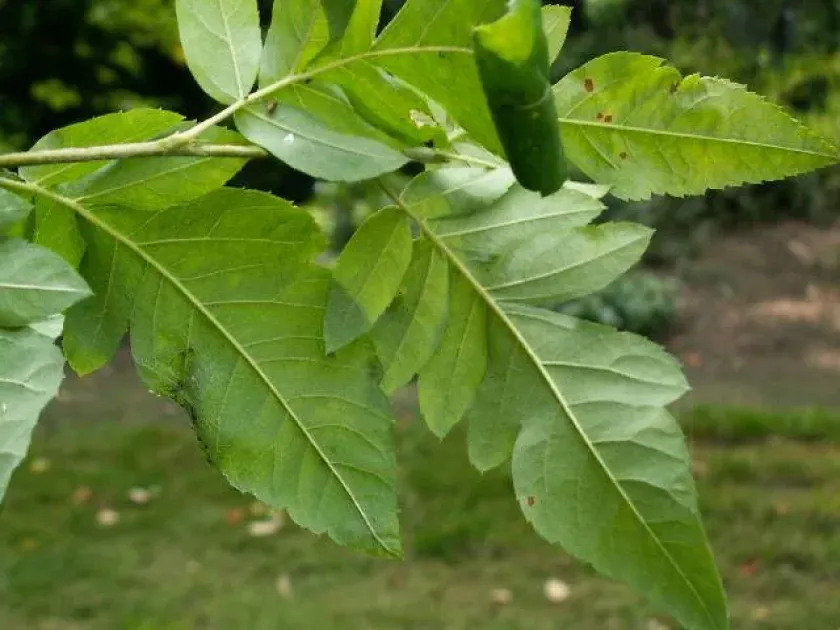
Description
Sowing dates
Amelasorbus raciborskiana is a rare intergeneric hybrid resulting from the crossing of Amelanchier and Sorbus. Due to the nature of these hybrids, vegetative propagation is the primary method used to maintain the plant's specific characteristics.
The ideal time for planting saplings is early spring or during the autumn vegetative phase when the plant is dormant. The seedlings should have a well-developed root system to ensure successful establishment.
Proper spacing is crucial for the healthy development of the crown. It is recommended to leave at least 2 to 3 meters between individual plants, depending on the expected mature size.
Before planting, the soil should be enriched with organic matter, such as compost or well-rotted manure, to stimulate initial growth. Avoid planting too deep to prevent potential root rot and growth retardation.
During the first few years, seedlings require consistent soil moisture monitoring, especially during dry spells. Mulching around the base of the plant significantly improves the chances of survival and growth.
Growing requirements
Belonging to the Rosaceae family, this hybrid inherits high cold hardiness from its parent species. It is capable of withstanding significant temperature drops, making it suitable for temperate climate zones.
The plant thrives in sunny locations, as shade significantly reduces both the fruit yield and the overall ornamental value of the shrub. Full sun is essential for sugar accumulation in the fruits.
Amelasorbus prefers fertile, loamy, or sandy soils with a neutral to slightly acidic pH. Good drainage is vital, as waterlogging is detrimental to the root system and can lead to plant decline.
Routine agrotechnical practices include annual pruning to shape the crown and remove damaged or dead branches. Sanitary pruning is best performed in early spring before the start of the sap flow.
Fertilization should be carried out in stages: nitrogen fertilizers in the spring to boost vegetative growth and phosphorus-potassium fertilizers in the autumn to prepare the plant for winter.
Yield
The yield of Amelasorbus raciborskiana is moderate, but the fruits are prized for their unique flavor profile, which combines traits of both parent genera. The berries are both tasty and beneficial.
Fruiting typically begins 3 to 4 years after vegetative propagation. As the bush matures and develops its skeletal branches, the yield consistently increases, reaching a stable level.
The fruits form in clusters, which makes harvesting efficient during the ripening stage. They are known for their pleasant taste, which can vary depending on the growing conditions and soil composition.
These fruits are highly versatile and can be consumed fresh or processed. They are excellent for making jams, preserves, syrups, and liqueurs, offering a unique culinary experience.
To ensure consistent yields, regular application of complex mineral fertilizers is recommended to provide the plant with necessary microelements for successful ovary formation.
Main diseases and pests
Major threats to the plant include typical Rosaceae diseases such as powdery mildew, rust, and moniliosis. Preventive spraying with fungicides is recommended to minimize infection risks.
Pests such as aphids, leaf rollers, and spider mites can attack the foliage. Regular inspections of leaves and stems allow for early detection and timely application of necessary insecticides.
Maintaining a clean garden environment and removing fallen leaves significantly reduces the spread of fungal infections. Hygiene around the root zone is a fundamental preventive measure.
Ensuring good air circulation within the crown through proper pruning is essential to prevent high humidity zones, which are breeding grounds for many pathogens.
An integrated pest management approach, combining cultural practices with cautious use of chemical controls, is the most effective way to maintain the health of Amelasorbus raciborskiana.
Harvesting
Harvesting should occur when the fruits reach their characteristic color and desired softness. Avoid waiting for full over-ripening, as the fruits may become too soft or start dropping.
It is best to pick the fruits in dry weather to improve their storage life and flavor quality. Harvesting can be done by hand or by cutting the clusters from the branches.
Once harvested, the berries should be kept out of direct sunlight and cooled quickly to preserve their quality. They should not be kept in large piles to prevent crushing.
Processing should ideally begin within 24 hours of harvest to retain maximum nutritional value and fresh flavor. This ensures the best quality product for jams and other preserves.
For long-term storage, freezing is an excellent option, as it preserves the structure and taste of the berries effectively for later use throughout the winter months.