
Aloina bifrons
Aloina bifrons
Description
Growing requirements
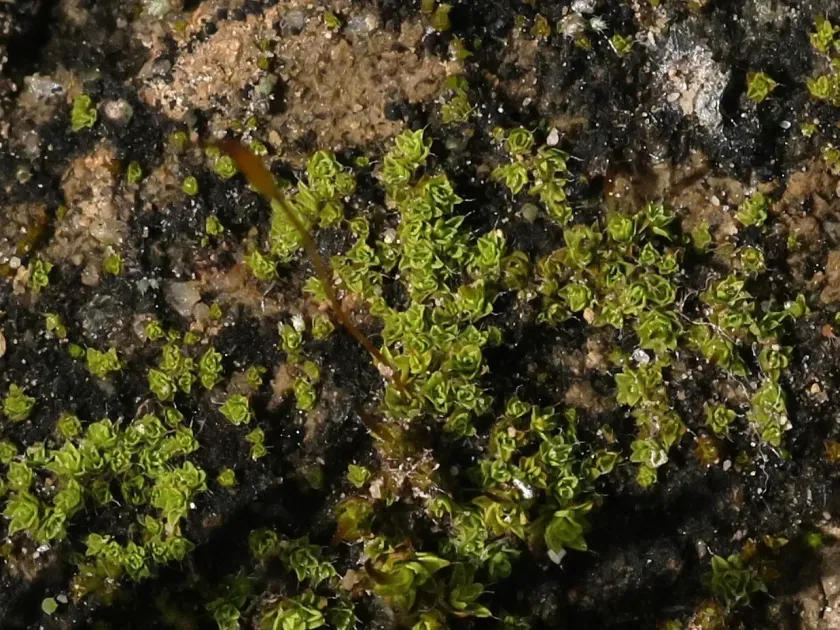
Aloina bifrons is a species of moss within the Pottiaceae family, recognized for its specialized adaptation to harsh environments. While not a cultivated crop in the agricultural sense, it plays a vital role as a primary colonizer in diverse ecosystems.
The plant is biologically characterized by its ability to thrive in mineral-rich, exposed soils. It is frequently identified in arid or semi-arid regions where intense sunlight and limited water availability challenge plant survival.
One of the most notable features of this moss is its leaf structure, which allows it to curl up during dry periods to conserve internal moisture. This morphological adaptation is essential for its persistence in dry climates and rocky habitats.
Aloina bifrons favors alkaline or clay-based substrates and is often found on disturbed soil surfaces. It serves a protective function by stabilizing loose topsoil, thereby playing a role in preventing minor soil erosion in sensitive areas.
Geographically, this species is distributed across various regions of the Northern Hemisphere. Its presence is often used by botanists and ecologists as a biological marker for specific microclimatic conditions and soil composition in open landscapes.