
Aloe parvula
Aloe parvula
Description
Growing requirements
Aloe parvula is a distinctively small succulent species belonging to the Asphodelaceae family. It is native to the rocky highlands of Madagascar, where it has evolved to thrive in nutrient-poor soils with extreme drainage conditions.
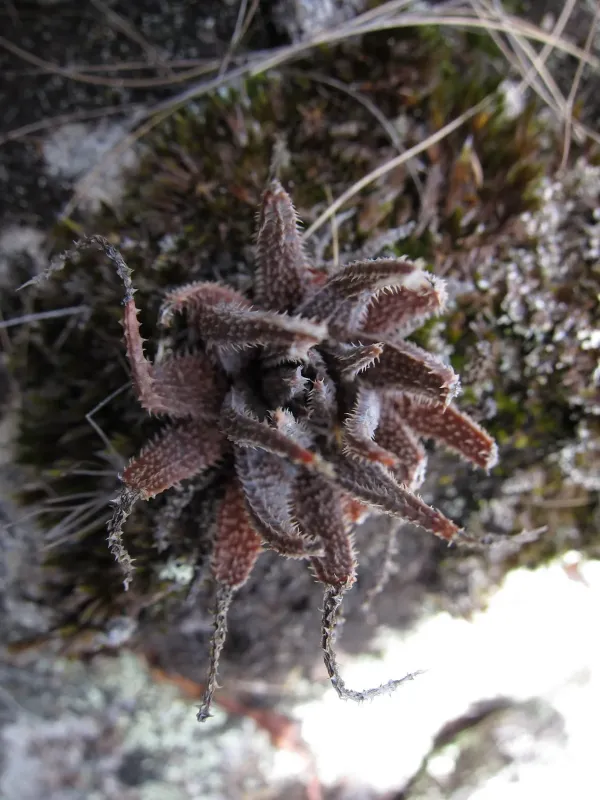
The plant is characterized by its compact, stemless rosette form. The leaves are generally narrow, slightly curved, and feature marginal teeth, which are common traits in specialized Aloe species adapted to harsh high-altitude environments.
Cultivation requires bright, indirect light to prevent leaf scorching while maintaining healthy growth rates. Direct sunlight in extreme heat can cause the epidermis to burn, so greenhouse shading is a standard recommendation for optimal care.
Soil requirements focus primarily on aeration and drainage. A successful substrate mix involves high mineral content, utilizing coarse river sand, perlite, and pumice to ensure that water passes through the pot without lingering near the roots.
Temperature management is crucial, as Aloe parvula prefers moderate climates. Ideally, the plant should be kept between 20 to 25 degrees Celsius during the growing season and cooled down to approximately 12 to 15 degrees Celsius during winter dormancy.
Main diseases and pests
The primary threat to Aloe parvula in an agricultural or greenhouse setting is root rot. This pathogen-driven condition is almost exclusively the result of overwatering or the use of substrates that hold moisture for too long.
Pests such as mealybugs represent a significant challenge for this species. These insects tend to hide in the tight crevices between leaves, making them difficult to detect until the plant starts showing signs of stunted growth.
Effective management involves regular inspection of the rosette base. If an infestation occurs, manual removal with alcohol-soaked swabs or the application of specialized systemic insecticides is recommended for effective control.
Fungal infections can also occur due to poor air circulation. High humidity in the plant's environment should be avoided, and adequate spacing between pots is essential to facilitate air movement and minimize the risk of spores spreading.
Proactive care involves using sterilized potting mixes and maintaining a disciplined irrigation schedule. Preventing environmental stress is the most effective way to ensure the plant remains resilient against potential pests and diseases.