
Aloe helenae
Aloe helenae
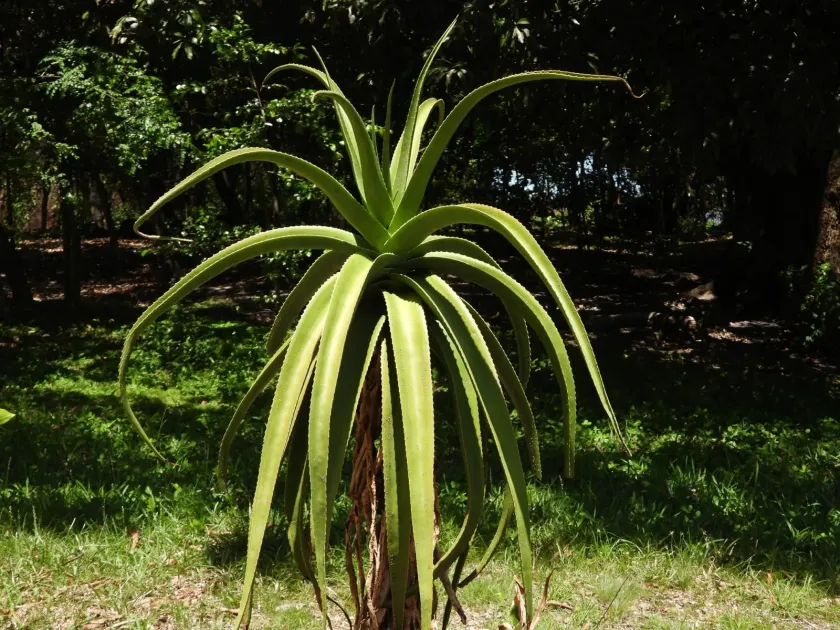
Description
Growing requirements
Aloe helenae is a rare succulent species native to the southeastern coastal regions of Madagascar, belonging to the Asphodelaceae family. This species is highly specialized, having evolved in arid, rocky habitats where drainage is rapid and sunlight exposure is intense throughout the year.
For successful cultivation, the plant requires a highly porous and gritty potting medium. A mix of pumice, coarse sand, and a small percentage of organic compost is recommended to ensure rapid water drainage, preventing any stagnant moisture around the root system which is critical for its health.
High light intensity is essential for maintaining the structural integrity and compact growth habit of Aloe helenae. When grown indoors, it should be placed in the brightest available location, preferably a south-facing window or under full-spectrum horticultural LED lighting to simulate the African sun.
Temperature requirements are strictly tropical to warm-temperate; the plant thrives at temperatures between 20°C and 30°C. It is intolerant of frost, and even short periods of cold, damp conditions can cause severe physiological stress and potentially fatal tissue necrosis.
Irrigation management requires a soak-and-dry approach. The substrate must be allowed to dry completely before the next watering cycle begins. During the winter dormancy phase, irrigation should be significantly reduced to mimic the natural dry season of its habitat, preventing internal tissue rotting.
Main diseases and pests
Root and stem rot caused by fungal pathogens represent the primary threat to the survival of Aloe helenae in cultivation. These conditions are almost exclusively linked to overwatering or poor soil permeability, which prevents the roots from accessing necessary oxygen.
Mealybugs are the most common pests, often hiding in the dense leaf rosettes where they feed on sap. Early detection and treatment with appropriate systemic insecticides are vital, as these pests can rapidly deplete the plant's resources and introduce secondary viral infections.
Scale insects may also attach themselves to the tough, succulent leaves. Due to their protective armor, they can be difficult to eliminate; manual removal using alcohol-soaked swabs is recommended for minor infestations, followed by an application of horticultural oil.
Spider mites can be a problem in environments with low airflow and extremely high temperatures. Keeping the plant well-ventilated and monitoring the leaf undersides are the best preventive measures to ensure the health of this rare species.
Proactive disease control includes the use of sterile growing media and ensuring that no water is left standing in the crown of the plant. If rot is detected, immediate excision of infected tissue and the application of a fungicide paste to the wound are necessary to save the specimen.